April 6, 2019 text text text
April 6, 2019 text text text
April 6, 2019 text text text
item1
Item2
item3
Living Life In 8 Bits
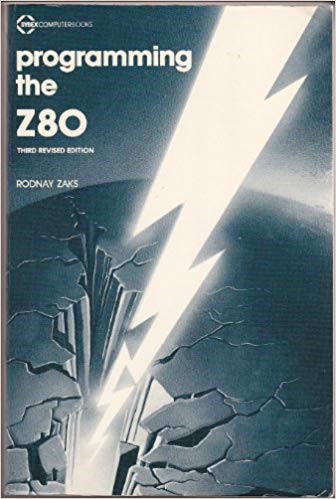
Jane started his gaming industry career in 1981 with the purchase of a Sinclair ZX81 computer. He was having surgery after surgery and was regularly confined to bed, either at home or in the hospital. Jane used this time to teach himself how to write software. Jane taught himself BASIC and bought a copy of Rodnay Zaks guide to the Z80 microprocessor and taught himself machine code programming. Jane decided to make games to amuse himself and his family in those long days of surgeries. Jane's father suggested he sell them mail order and suddenly Jane's pofessional software developer career began with people buying his games.
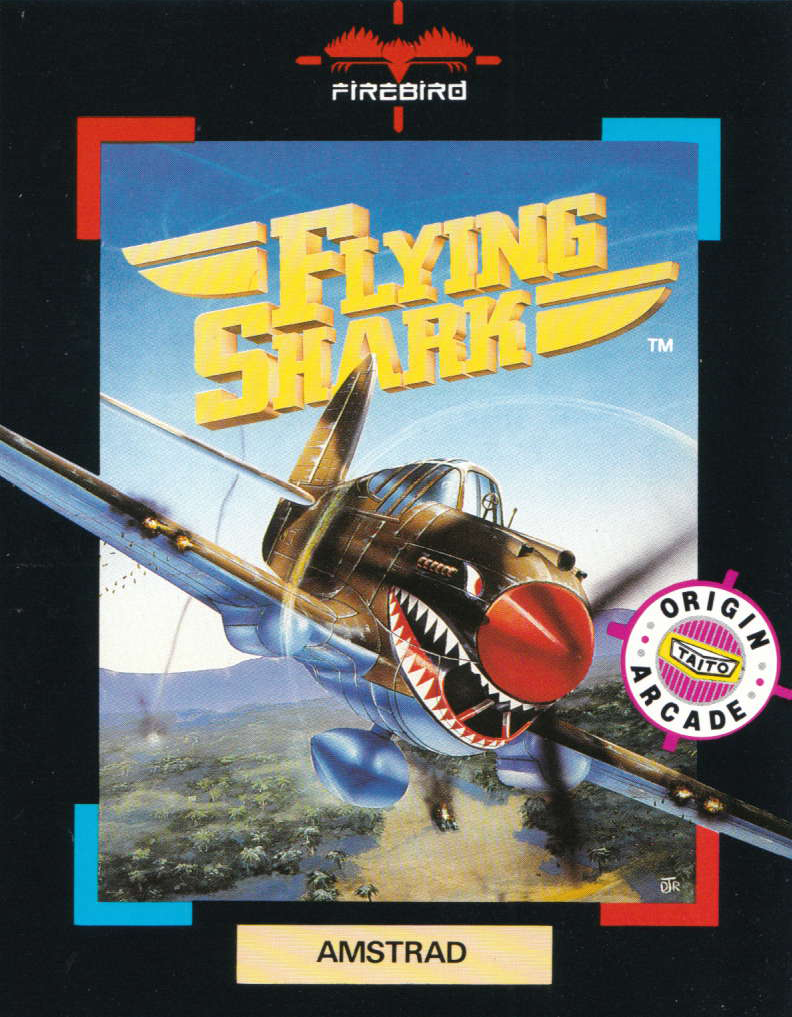
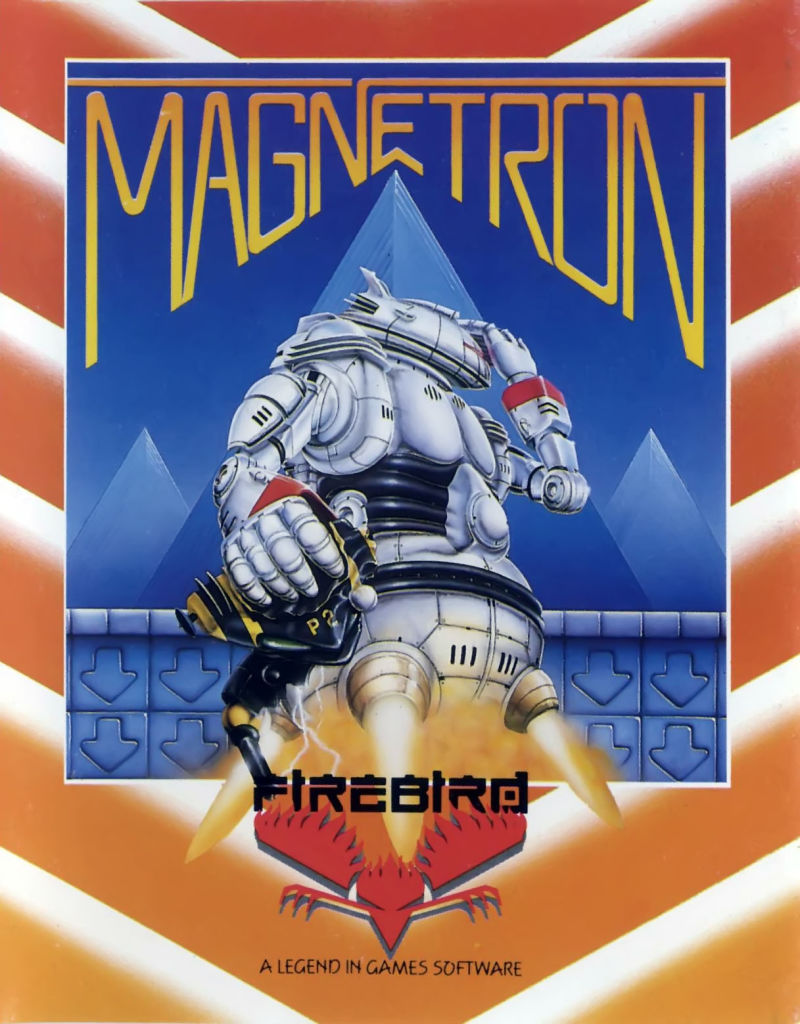
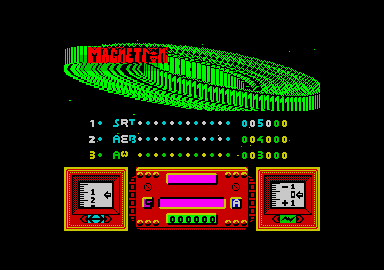
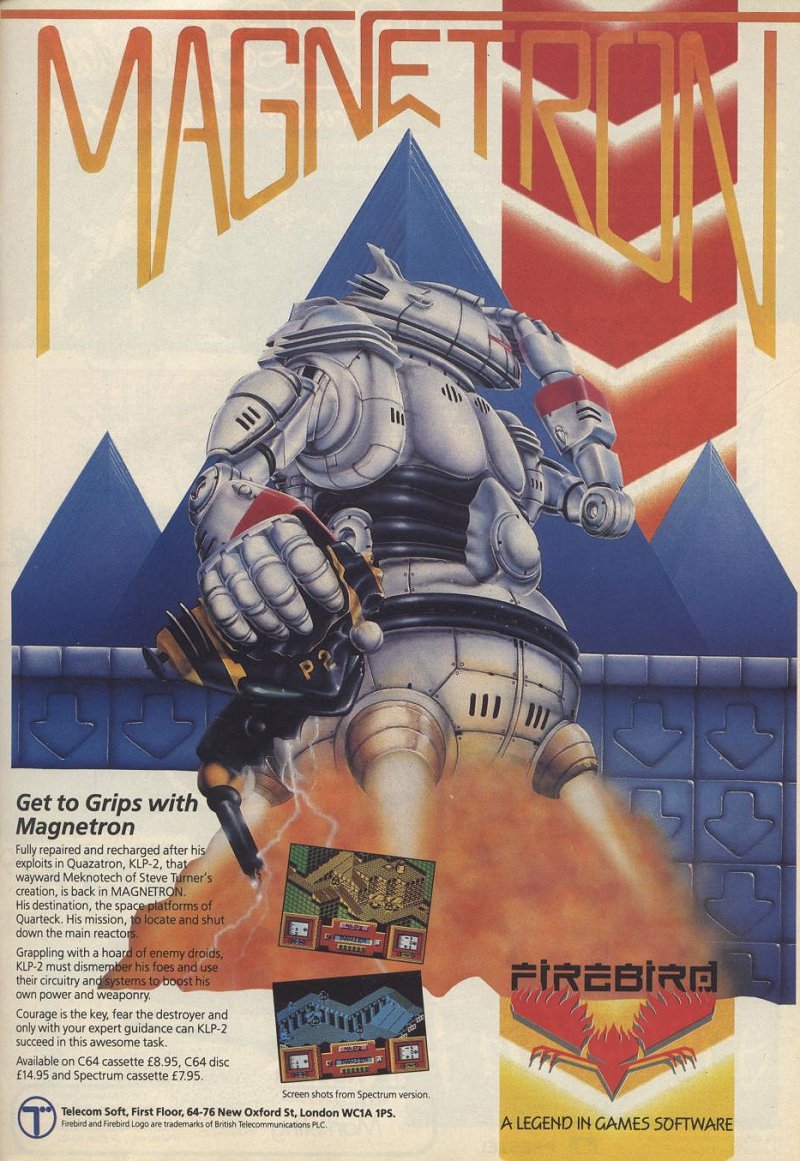
This spawned a fairly lengthy career with 8 bit machines such as the Sinclair Spectrum, Commodore 64, Amstrad and others, even spending a while with the Graftgold team. Jane cut his teeth on titles such as Flying Shark (a Taito arcade conversion) and Magnetron, for Firebird/Rainbird software – which was owned by Sid Meier of Civilization fame and his business partner, the pilot Wild Bill Stealey! He had no idea at the time that Sid would become the star of the industry. Jane flourished while working on a large number of 8 bit titles, selling over a million units!
"In those days, you pretty much made a game yourself start to finish in about six weeks. A real baptism of fire!" --Jane Whittaker
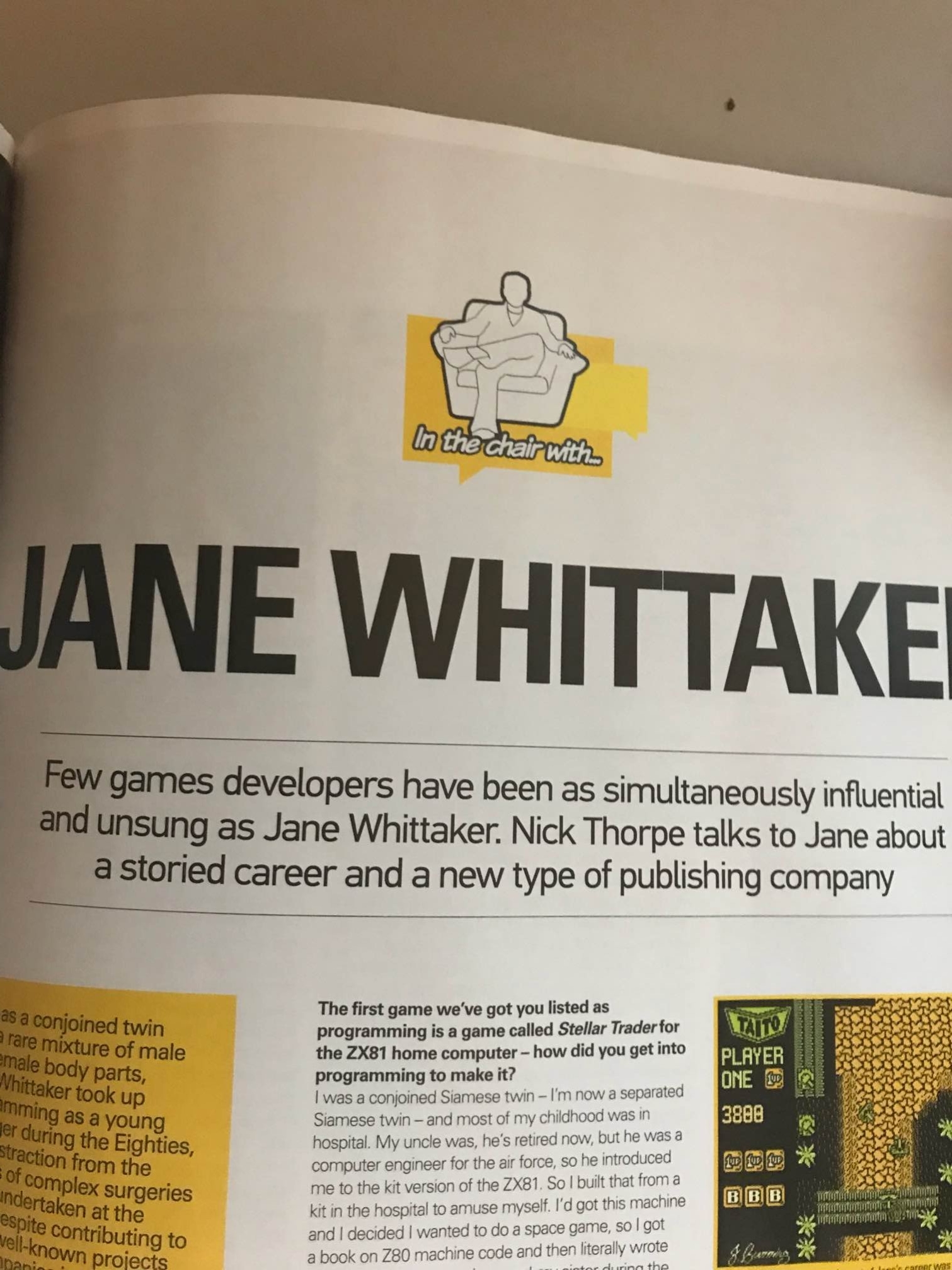
Jane, still in his teens was already garnering awards for his work in the gaming industry.
In the early days one of the greatest difficulties was actually convincing the machines to scroll. The Spectrum computer was a steadfast diehard against the concept of decent scrolling, so lots of image manipulation tricks had to be used. When Dominic Robinson wrote the masterful Spectrum version of Flying Shark there was a lot of buffering, cycling of images and redrawing the screen in optimised assembler code to create the top down scrolling effect that was core to the game. In those days, top down scrollers were all the rage.


On the Amstrad there was a similar problem, however Steve Turner, Jane's first boss, came back from a visit to the Firebird publisher with a revelation. Turner had been told there was a technique where he could hardware scroll the Amstrad screen. The snag, was that it was little known and Firebird would charge for the privilege of the technique! Because of this obstacle Jane was tasked with discovering how this could be done. After a few days Jane had found the trick they were looking for.
"There was a bug in the video chip, where if you "poked" a specific and inappropriate value in to the video registers the screen would start to roll! It wasn't of course meant to do this! However, we ended up with a barrel rolling screen! The whole screen would keep rolling over itself!" --Jane Whittaker
The trick then was how to control this? The answer was to make the code redraw the screen and add new data in time with the rolling motion. With this they finally had a top down scrolling arcade game, thanks to a bug in the vertical hold of the Amstrad computer video chip!
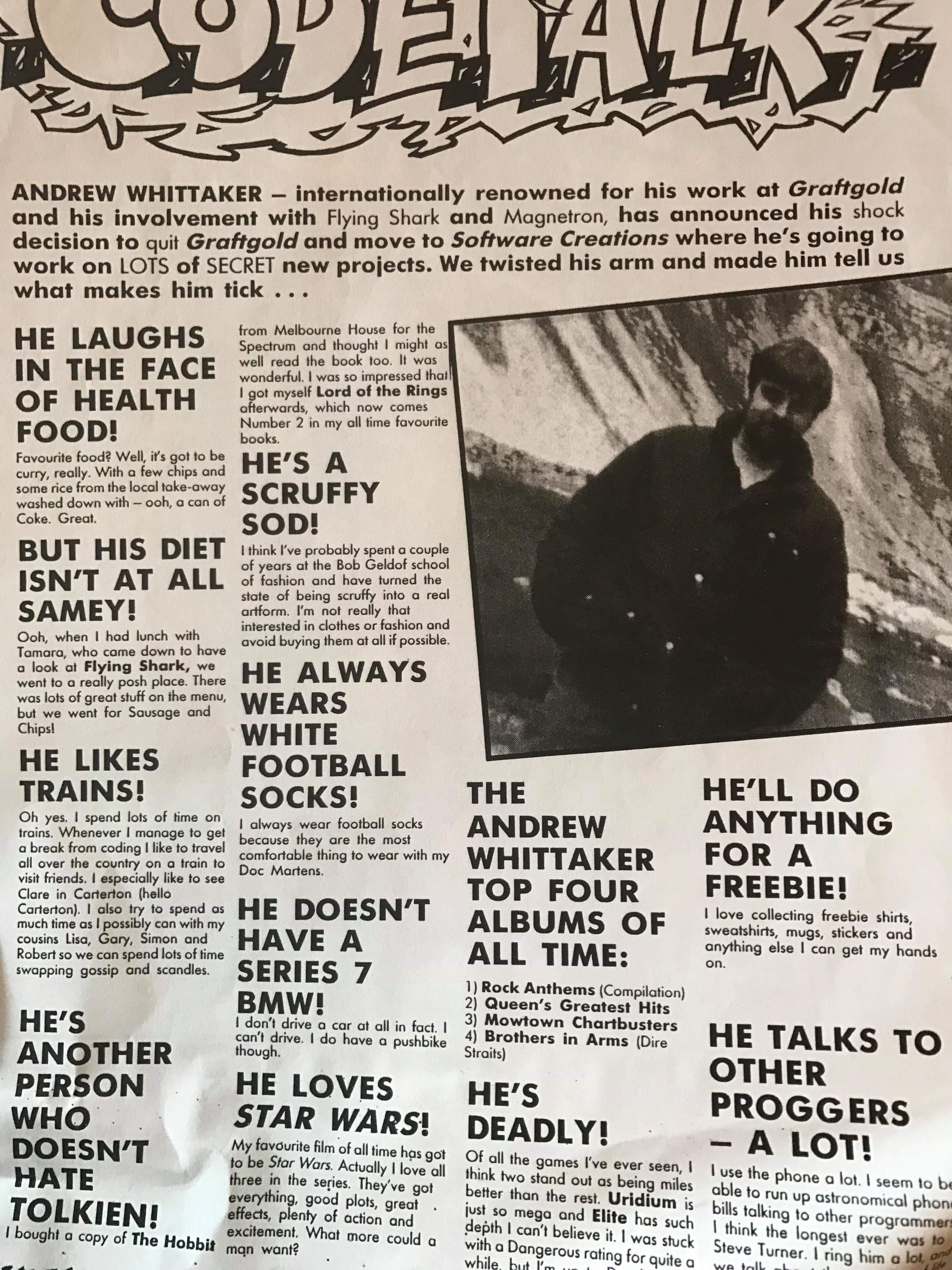
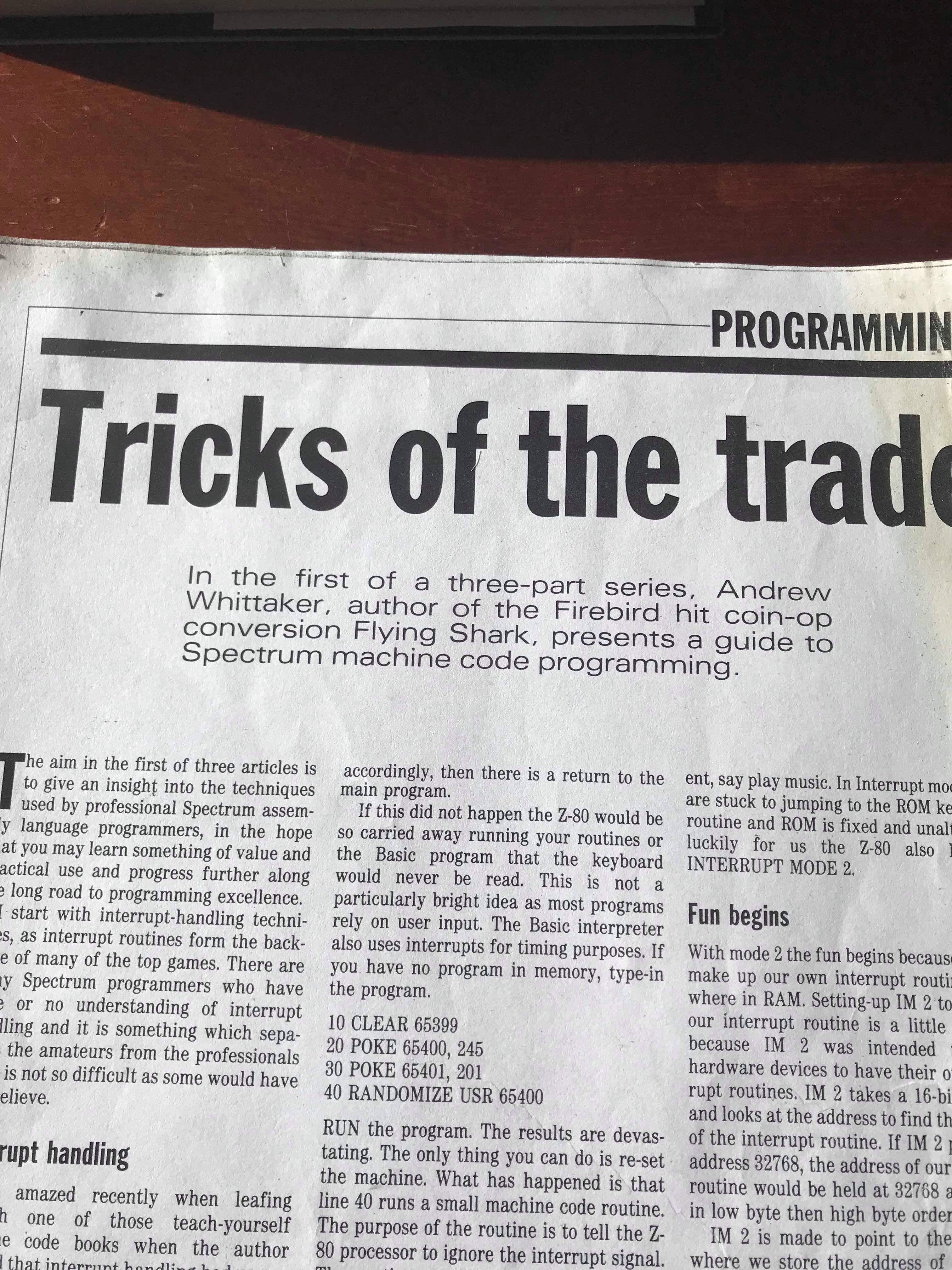
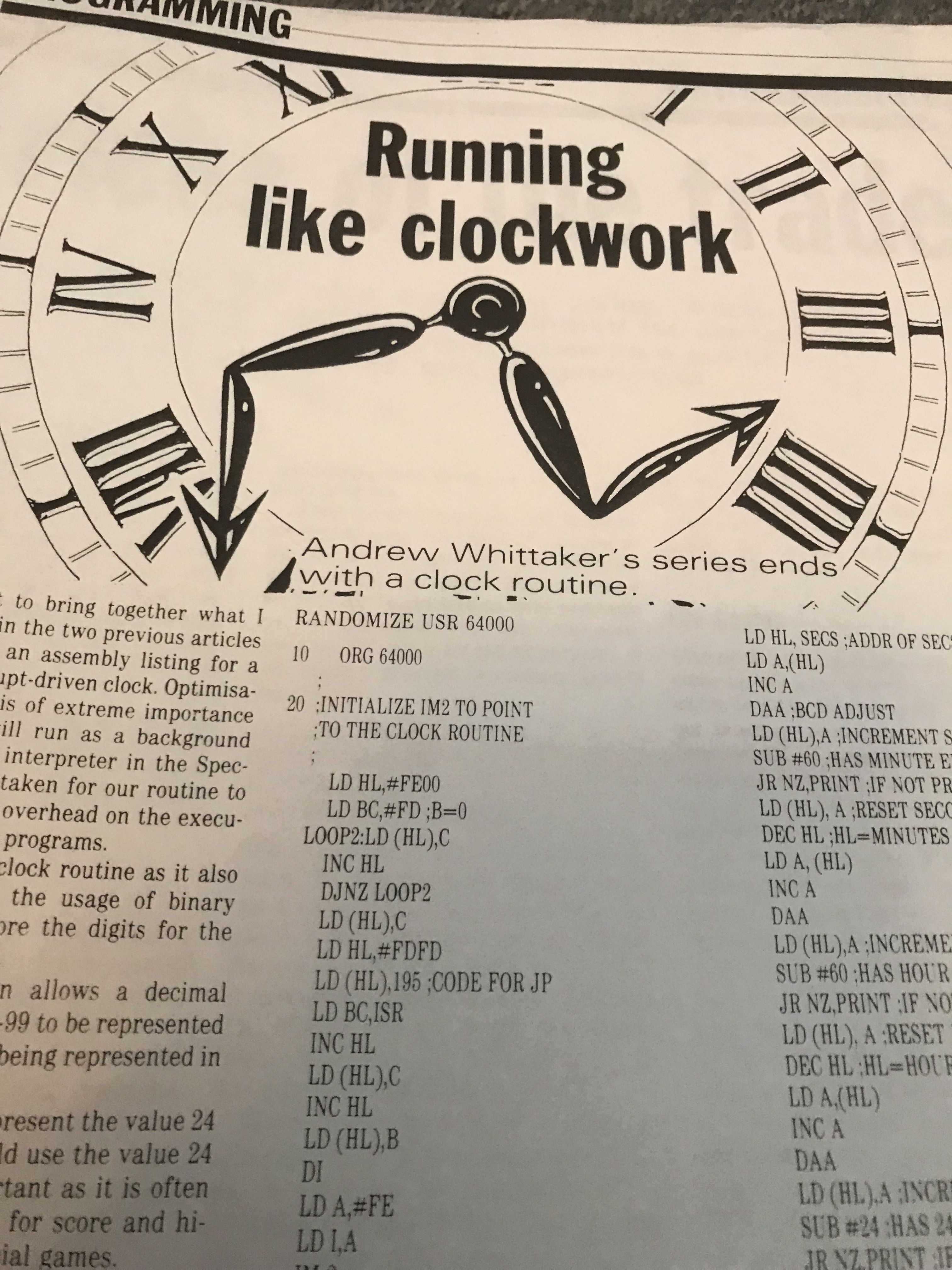
At the time of release of Flying Shark and Magnetron Jane was also asked to do his fair share of interviews and magazine features. In the Tricks Of The Trade article Jane was asked to write a machine code programming tutorial. Certainly something you don't see these days. Whittaker wrote about the famous "interrupt mode 2" of the Z80 chip in the Spectrum computer, which allowed software to run in the background with the impression of multi tasking with other software - long before the advent of Windows etc.
"I did a super thrilling (wait for it!) digital clock in a series of tutorials, so coders could learn the technique of these background overlays. Horribly technical by the standards of todays gaming magazine readers but hey I loved it!" --Jane Whittaker
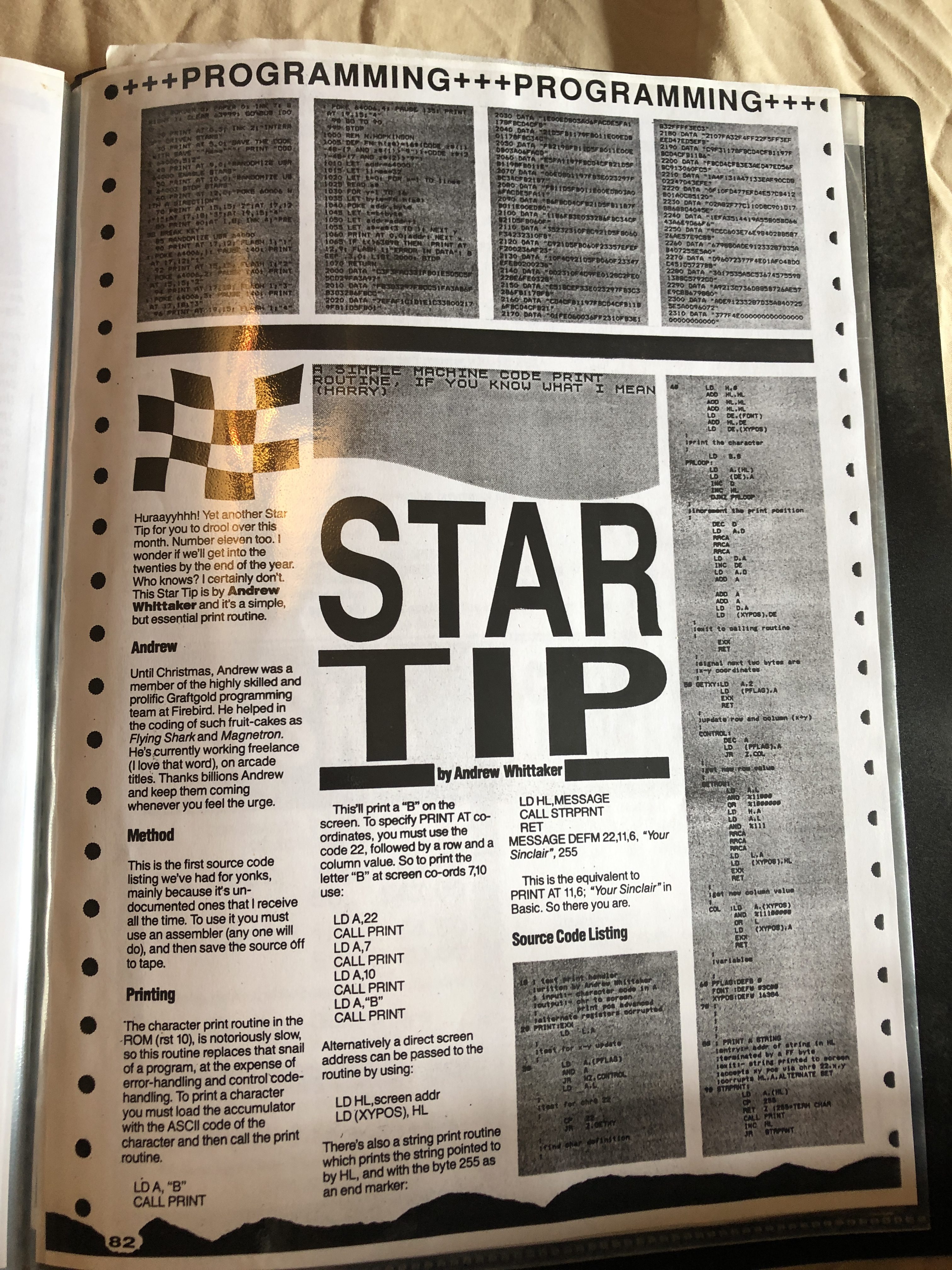
The Star Tip was in a similar vein for Your Spectrum magazine. Every issue they had a "famous" Spectrum programmer sharing a personal favourite bit of code in Z80 assembly language. This was for the monthly readers of the gaming magazine.
Despite his aversion to interviews, Jane ended up getting in to an interview for Sinclair User magazine. You can see both Flying Shark and Magnetron mentioned in the header as they were the hot games of the day. You may find this interview rather tongue in cheek and there is a story right there! Jane, still in his teens, was given a formal set of questions to answer in a telephone interview with the magazine. The magazine arrived in the stores and Jane was so proud to see it in his local railway station. However when Jane looked at the interview, lo and behold it had been hijacked, by his colleagues and their sense of fun:
"I was referred to as a scruffy sod, how I would spend my life eating curry and chips and talking on the phone, none of these things were mentioned by me in the interview" --Jane Whittaker

Back in those days, you would develop your game on your machine directly, for example, your Spectrum game on your Spectrum. Of course if the whole thing crashed you were in trouble, requiring lengthy reloads from tape. Jane used tools such as the Laser Genius and Devpac assemblers (Andrew Pennell, creator of Devpac, is currently a senior developer of Microsoft Visual Studio). Whilst being published by Firebird Jane and his colleagues were offered the opportunity to try a new system, called PDS (Programmers Development System) developed by Andrew Glaister and Fouad Katan.
This was revolutionary and they never looked back. They had a PC connected to our 8 bit machine by some hardware and a parallel cable. You wrote the software on the PC, saved it to PC disk and sent it down the cable to your target machine. The world of development changed thanks to Glaister and Katan!
"I was really excited to receive my PC development machine. It ran at a massive 2Mhz speed. Could anything in the world ever match that speed then or in the future..." --Jane Whittaker
Jane, still in his teens and school age but in a few short years software had come a long way. He started with a Sinclair ZX81 with 1K of memory, getting very excited when they introduced a 16k RAM pack. Now he had a huge PC in a desktop box that made him feel like I was working at NASA and its proneness to overheating meant he had a fantastic footwarmer for overnight stints in the office! Could his life be any better!
AVP
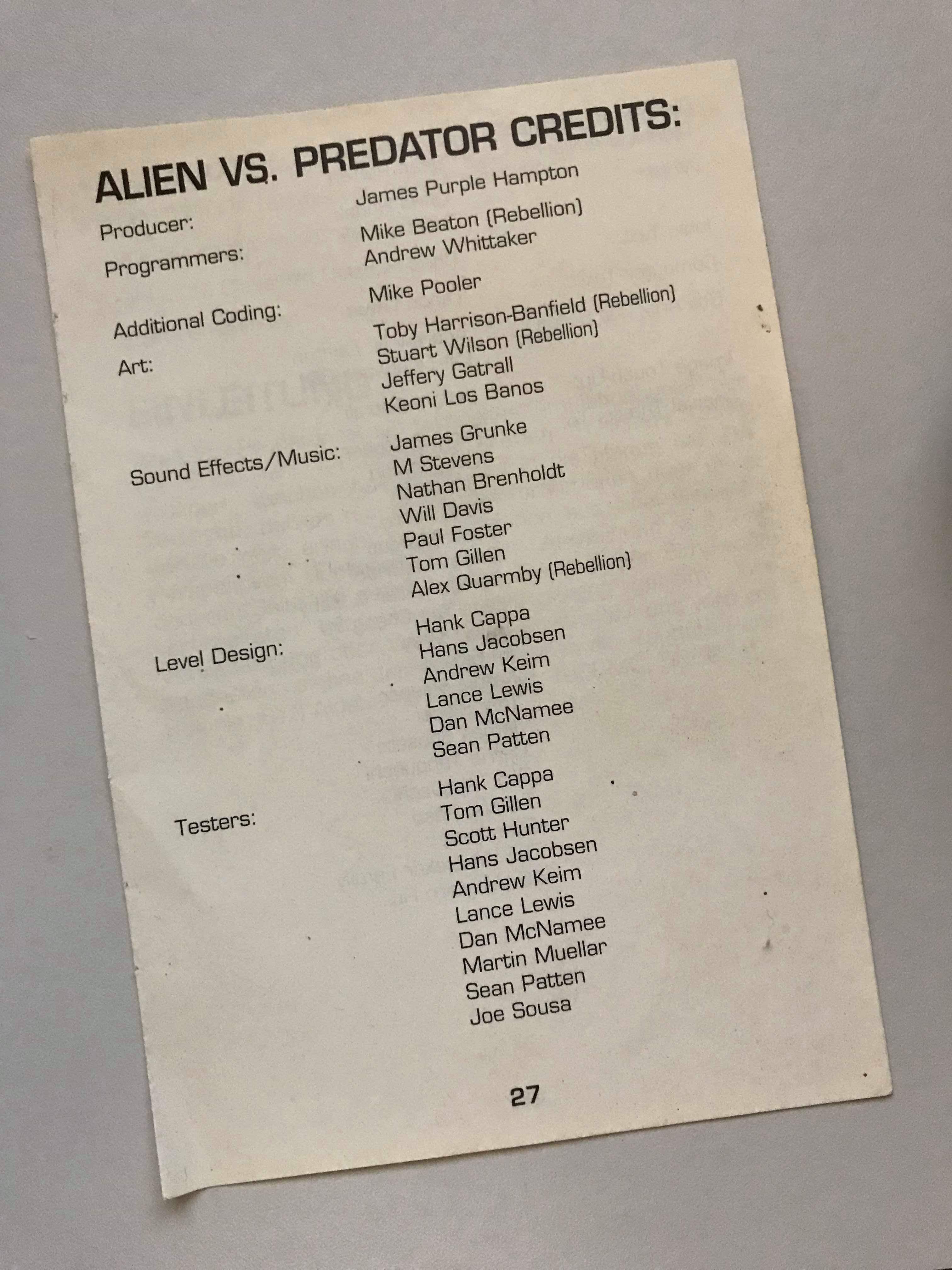
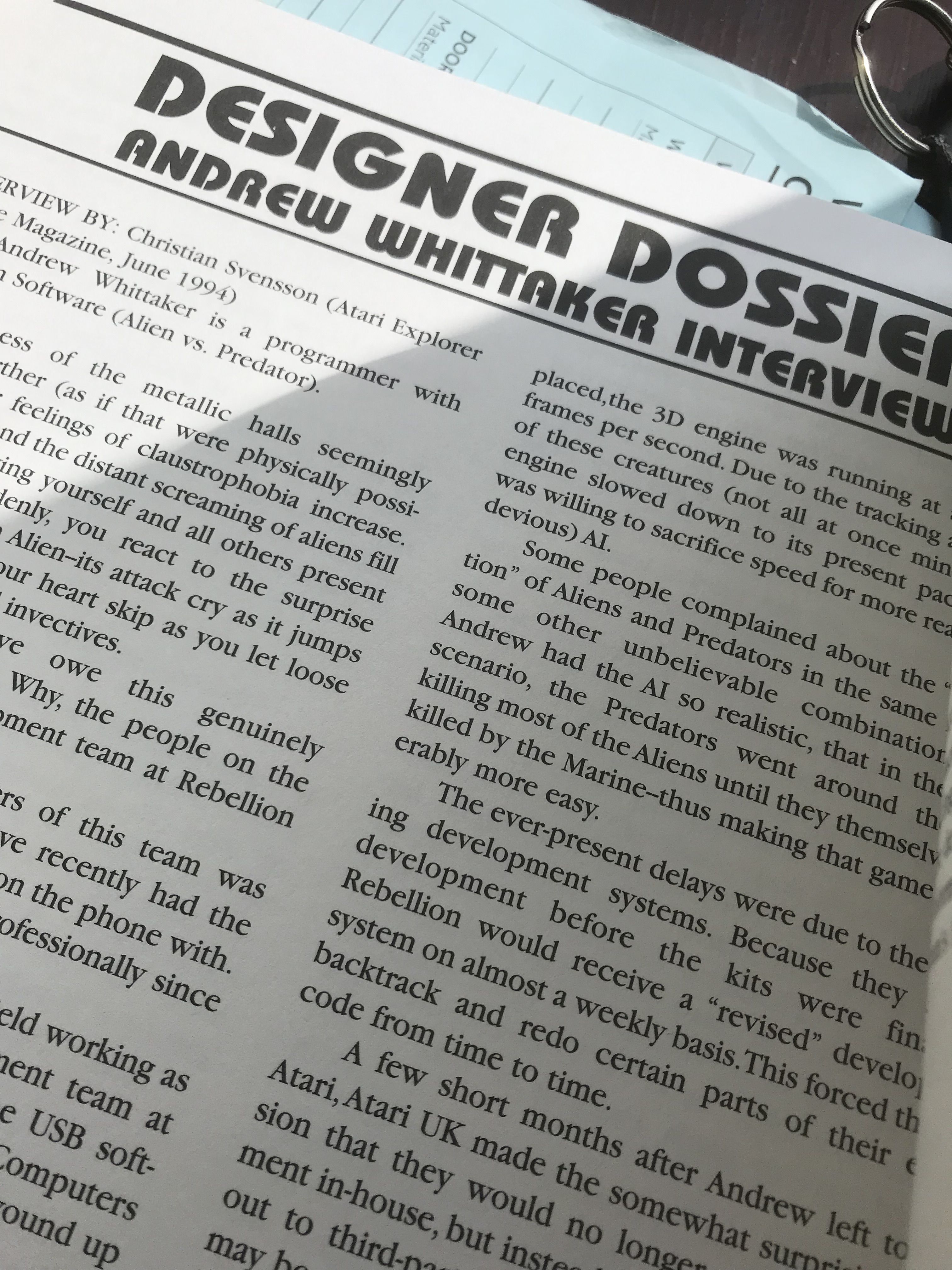
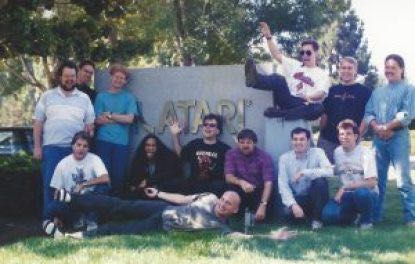
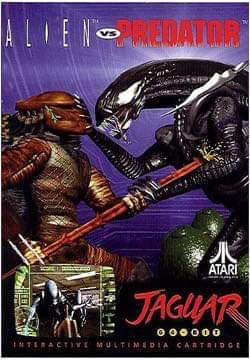
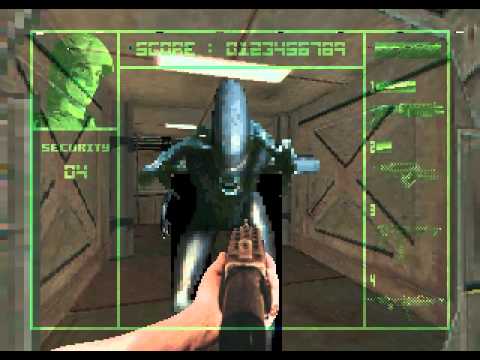
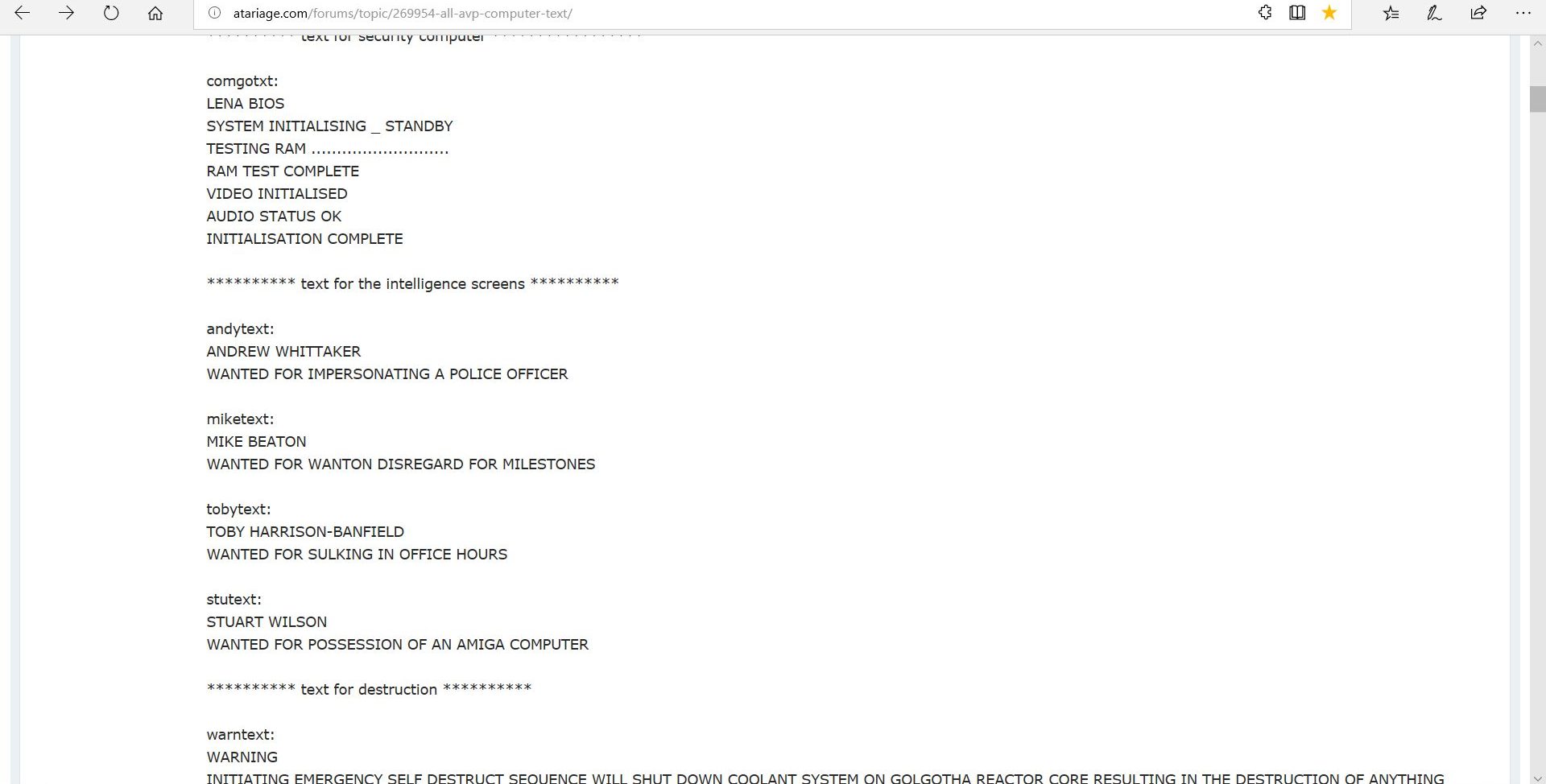
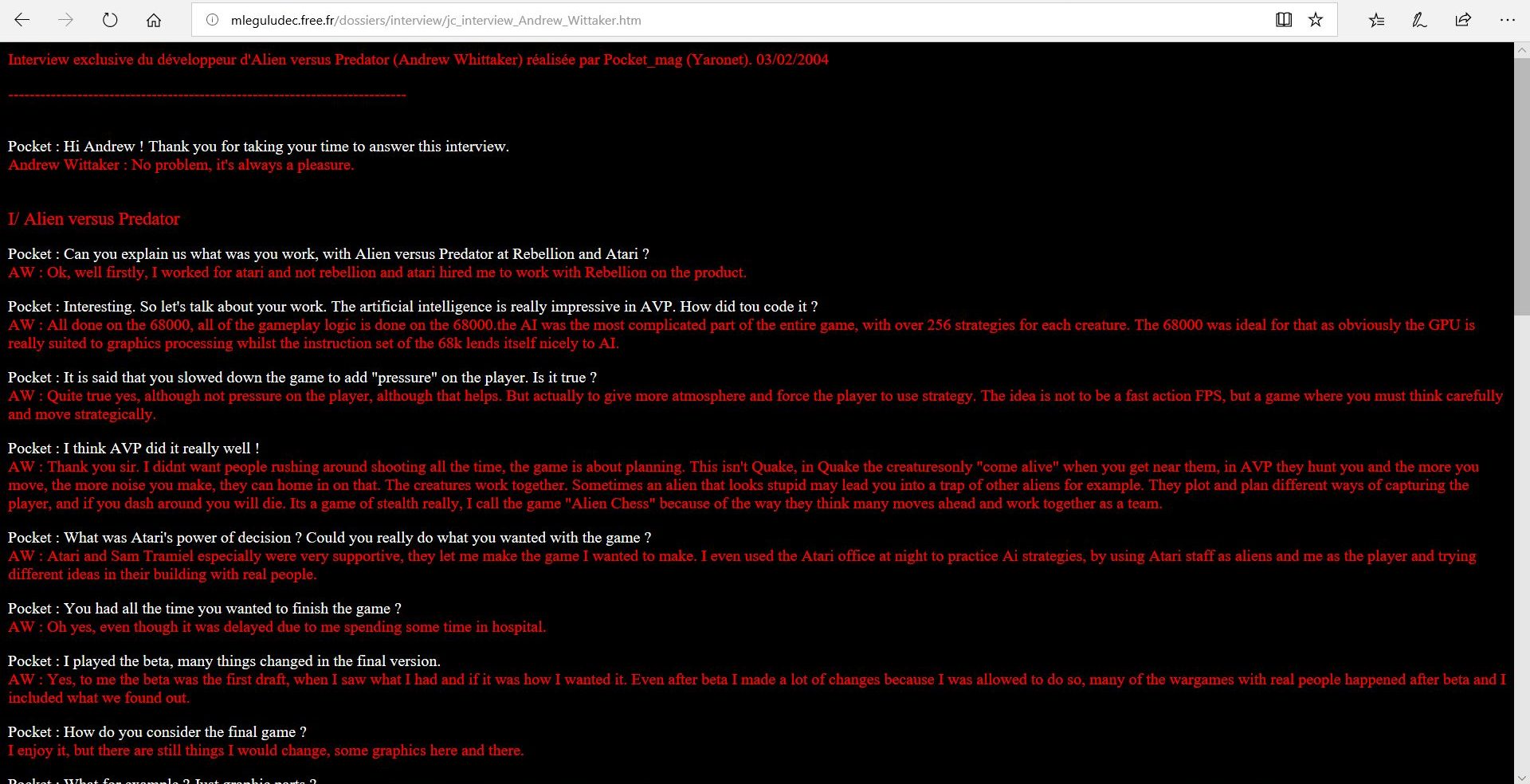
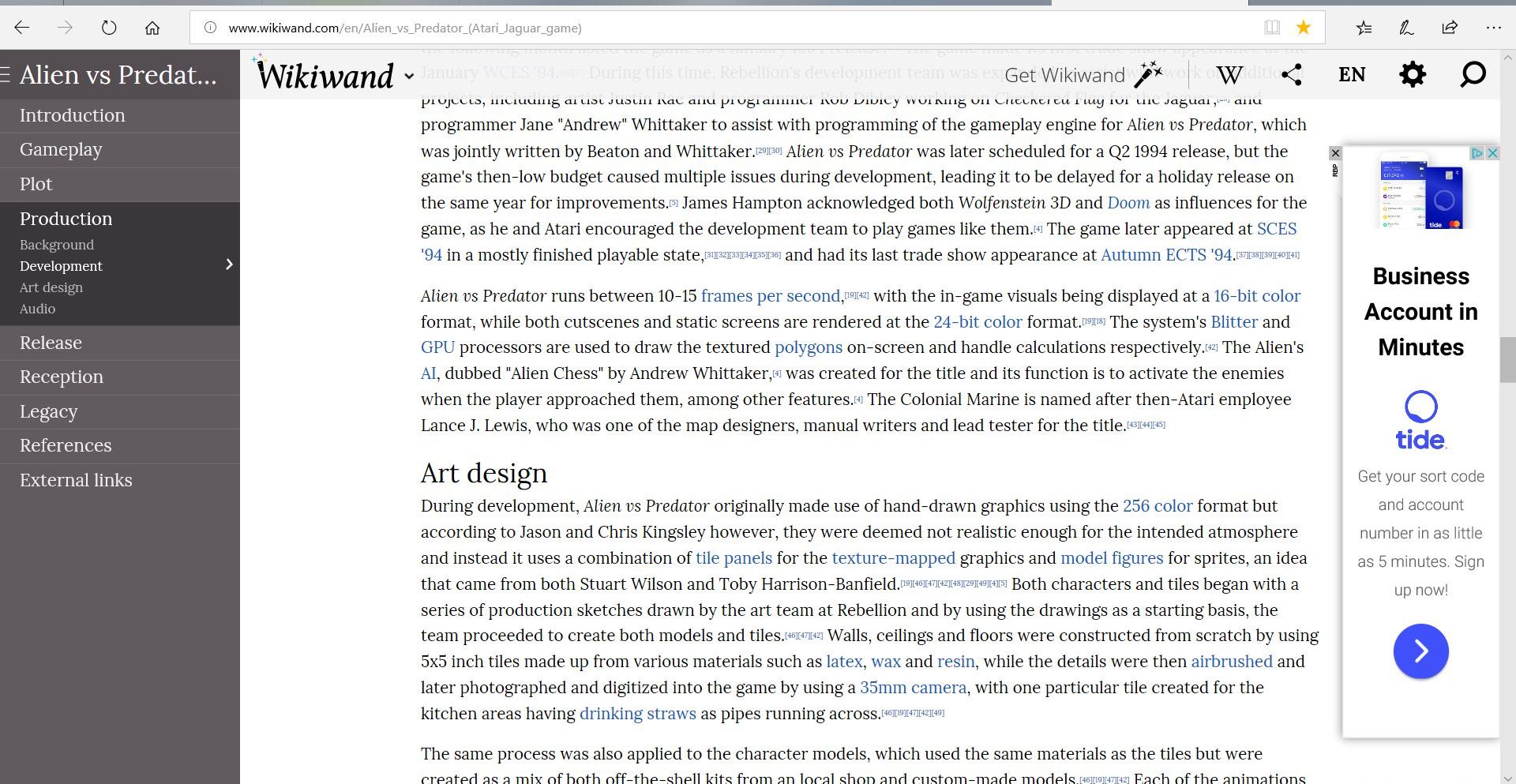
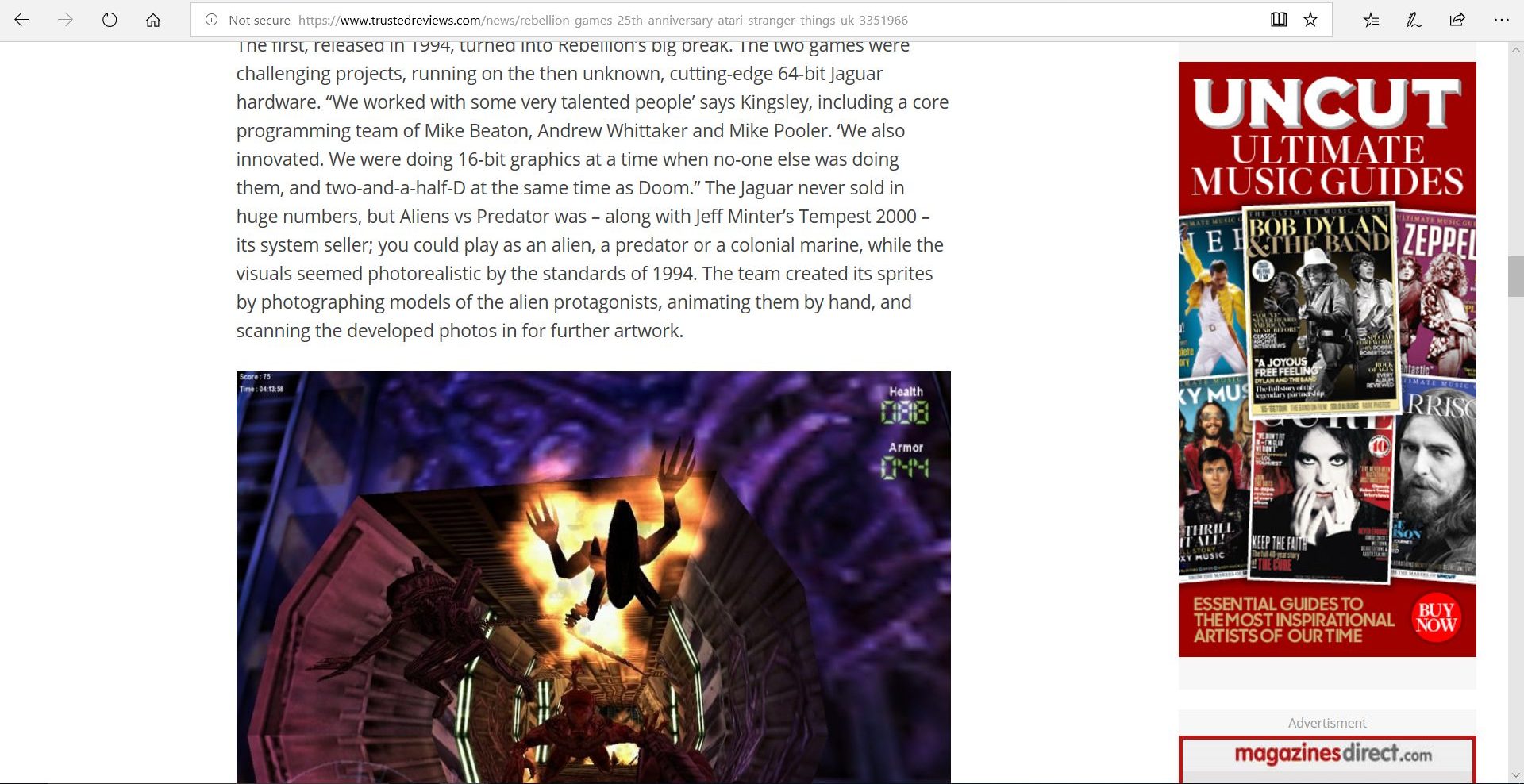
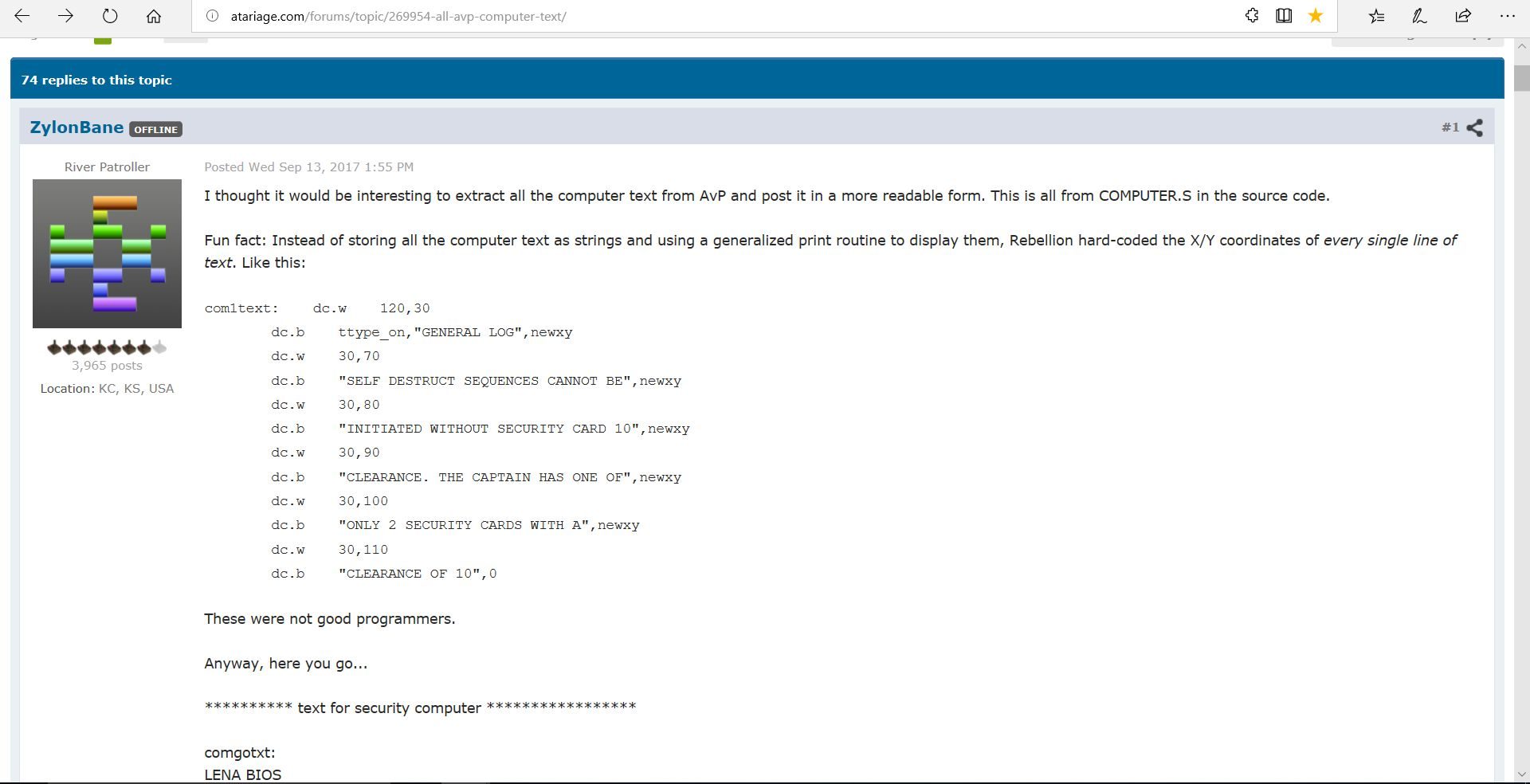
Jane was delighted to be asked to work with Atari. The most notable product of his tenure was Alien Vs Predator for the Atari Jaguar games console. The bulk of Jane’s work on this milestone game was at the Atari office in Sunnyvale, California. Jane developed the code for the gameplay and AI for AvP along with support to Mike Beaton’s 3D engine. The code was developed in 68000 assembly language along with assembler code for the two custom RISC chips, Tom and Jerry. The game is featured in the Guinness Book Of Gaming Records as the first game of this style.
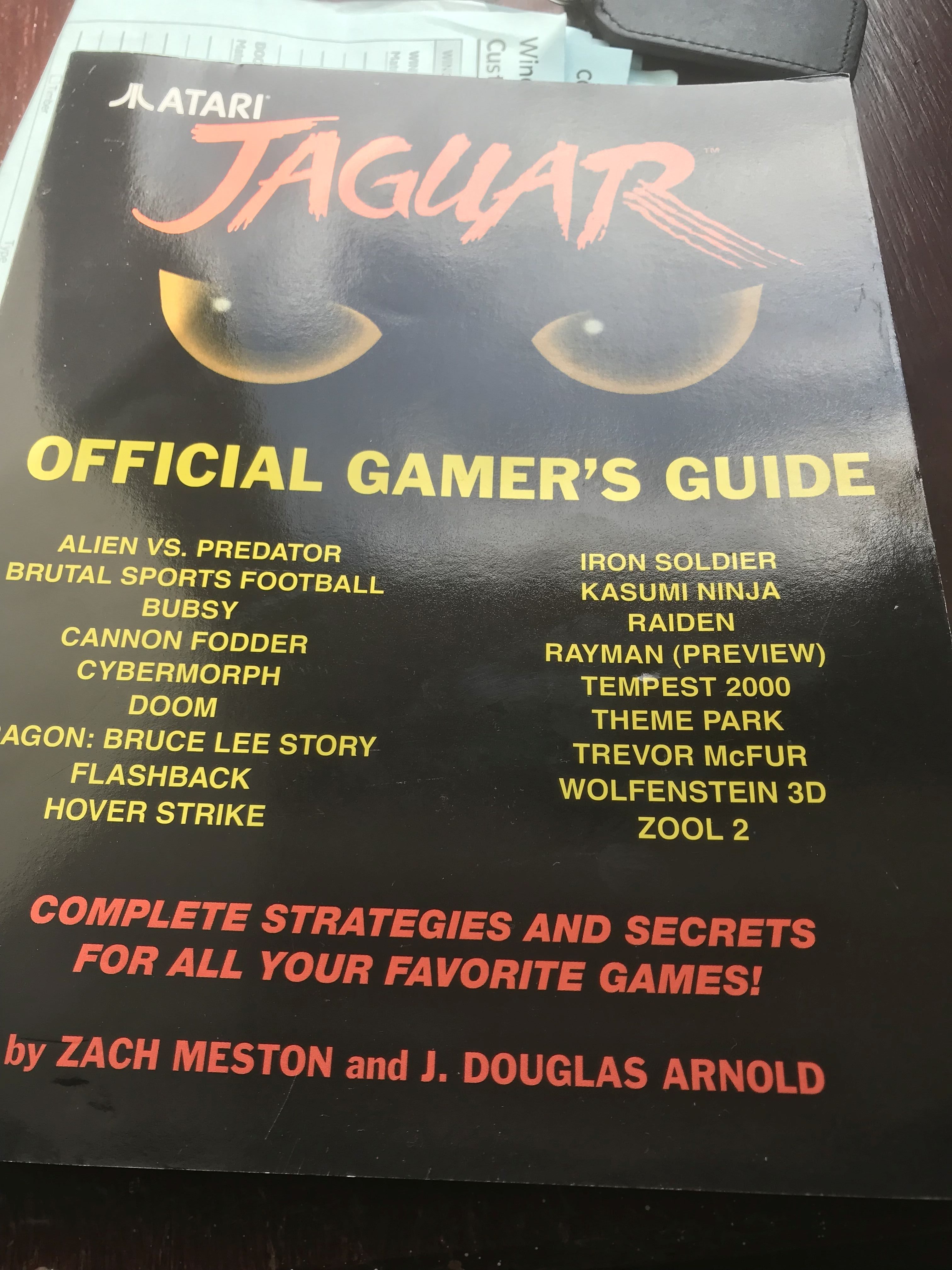
Jane is also interviewed in the official Atari Jaguar Gamer’s guide. Along with famed developer Jeff Minter, Jane is the only developer to be granted interview space in the guide. It also features numerous hints and tips for playing the game.
James “Purple” Hampton, the game producer of AvP had this to say about Jane…
"I was fortunate enough to work with Andrew (Jane) Whittaker on the Alien Vs Predator development crew. Andrew's dedication to the project helped get us to the finish line, overcoming numerous challenges along the way. Andrew brought his unique vision and applied his engineering expertise to make AvP a better game. He worked closely with fellow engineers, artists, designers, and myself to ensure we achieved our shared goal to build an engaging game-play experience that raised the bar for console games and satisfy fans of the movies. Andrew went above and beyond during the final push to gold master (release to manufacturing) ensuring the game arrived in stores in time for the holidays. Andrew's personal commitment to his craft, makes him a welcome addition to any project team – James Purple Hampton, Producer Alien Vs Predator"

EA
Jane joined Electronic Arts / Bullfrog in 1998, the year after founder Peter Molyneux left the studio. Jane was hired as executive in charge of production, working his probationary period with the company in a Senior Producer role. Jane held dual roles both within EA and the Bullfrog studio.
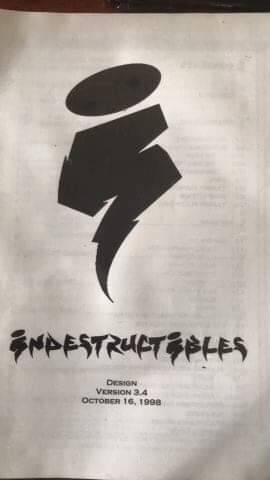
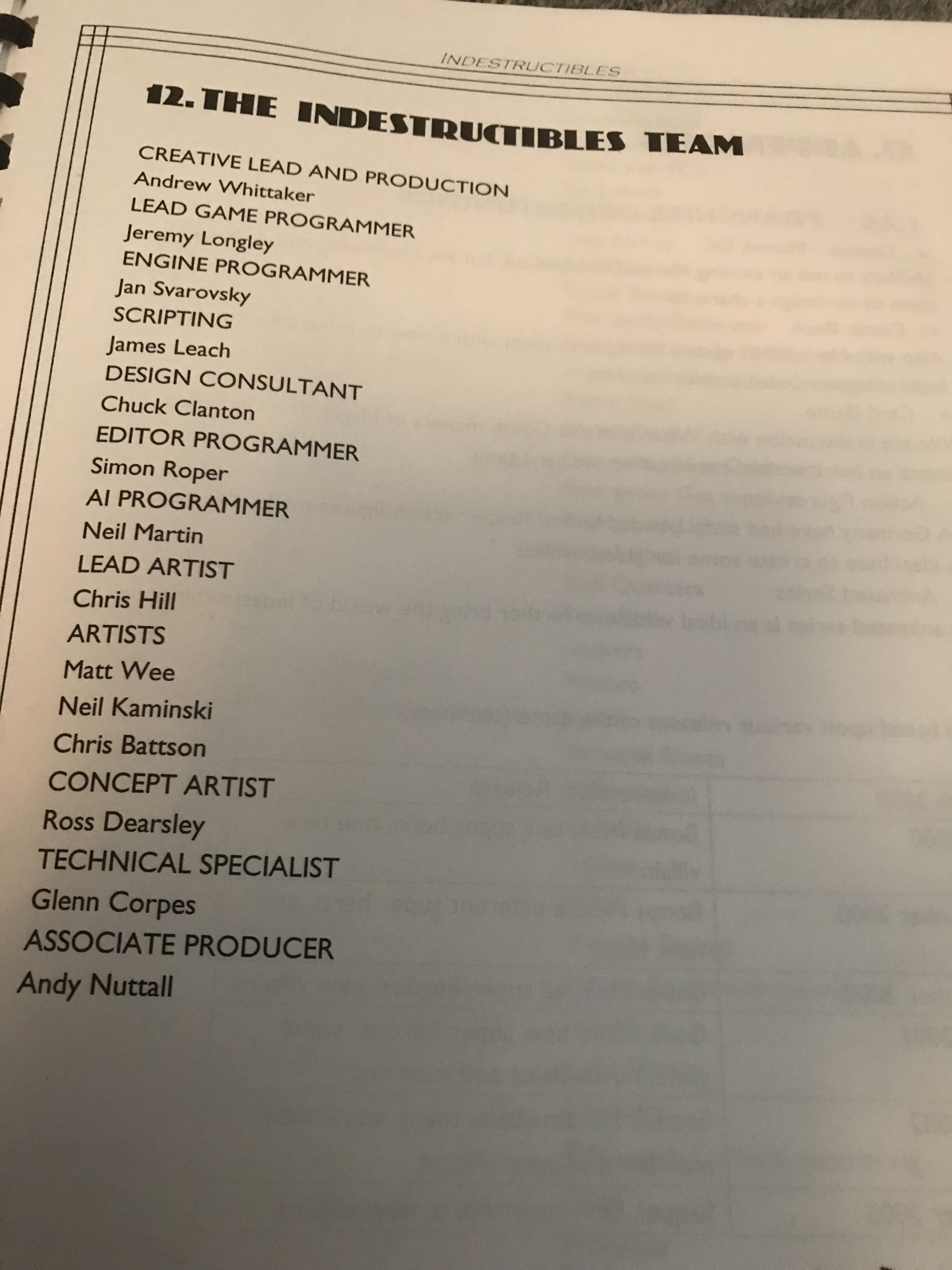
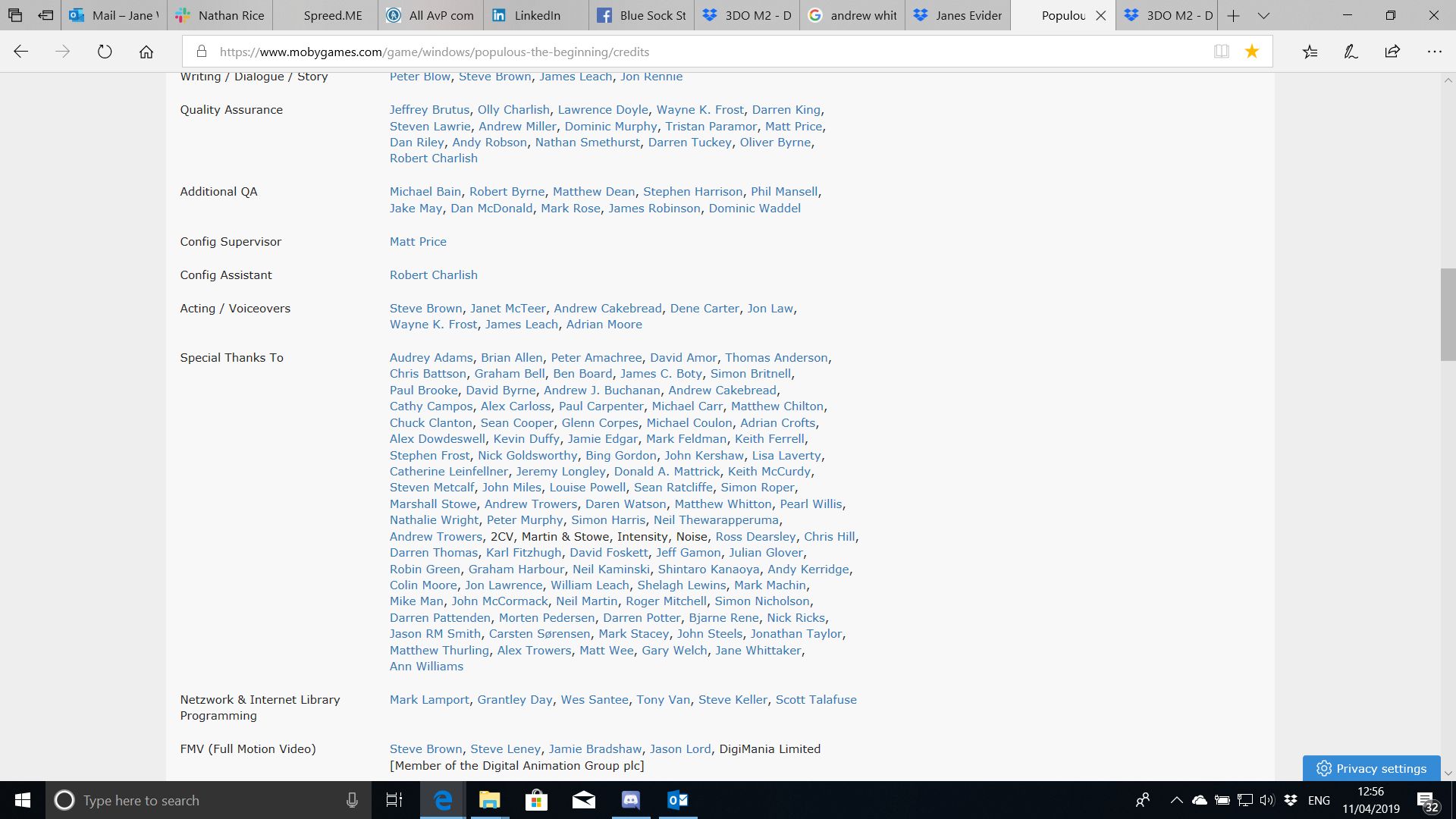
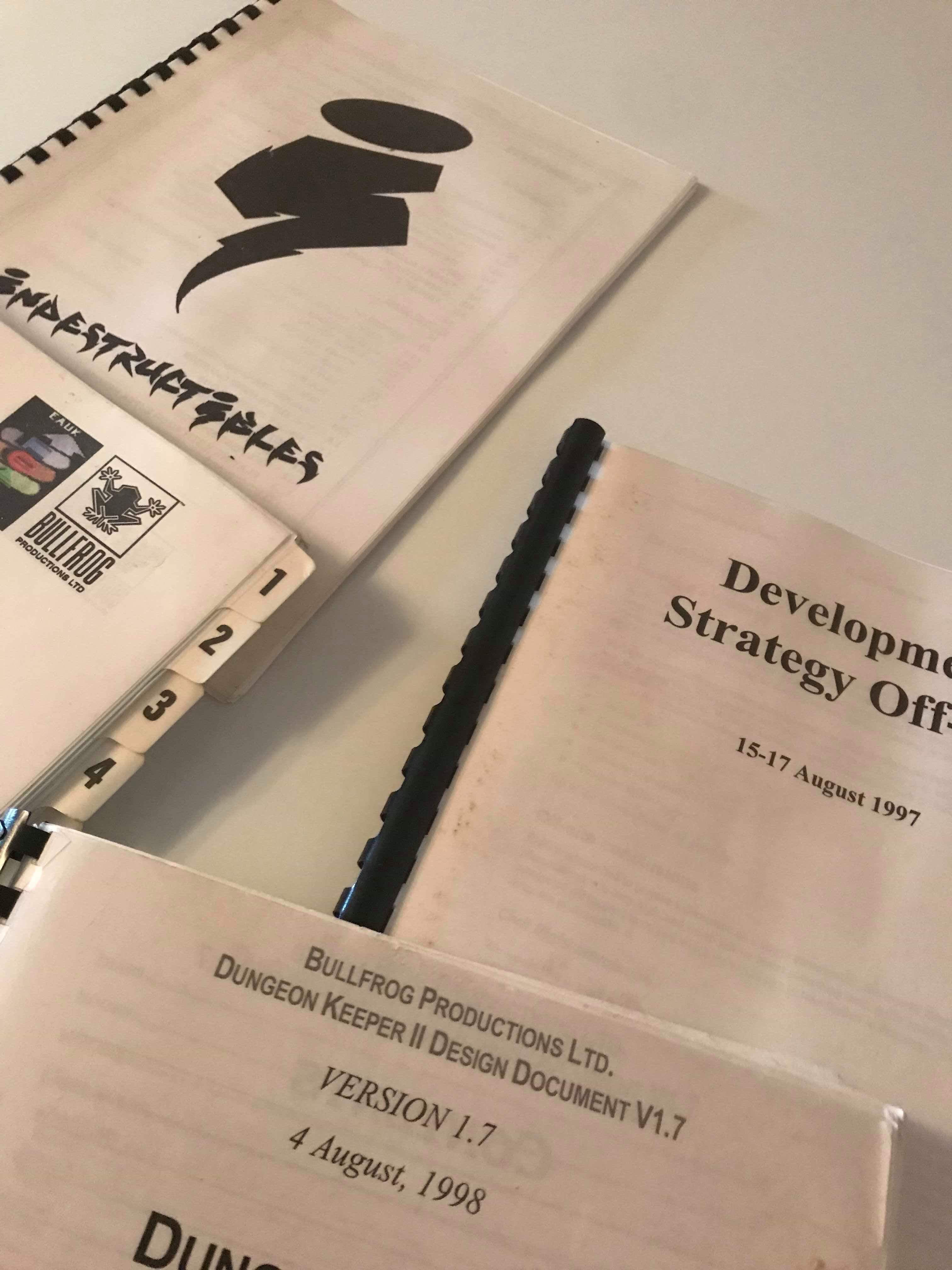
Jane was involved in a number of Bullfrog products but most notably led the development group responsible for the PC version of Indestructibles – a super hero game originally conceived as an idea by Molyneux. Jane led the production, technical and creative design for the product, working with industry notables such as Jan Svarovsky and Glenn Corpes (Populous). His involvement with Populous – The Beginning led him to being credited in the special thanks for that game.
Indestructibles was eventually not released due to EA having licencing issues for the super heroes in the project, but is well remembered and still discussed by gaming fans today.

Mike Singleton
Through his connection to Firebird/Rainbird, Jane formed friendships with a number of developers who were also published in the same stable. Key amongst those was mentoring from Mike Singleton, regarded in the press as the father of home computing. Sadly, Mike is no longer with us, but his legacy remains.
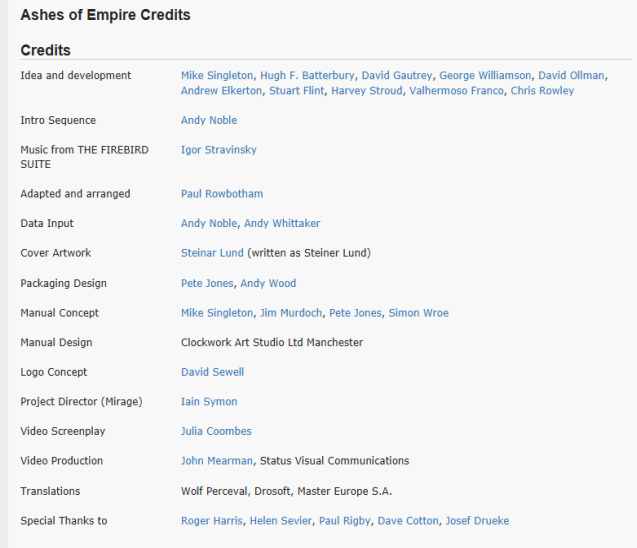
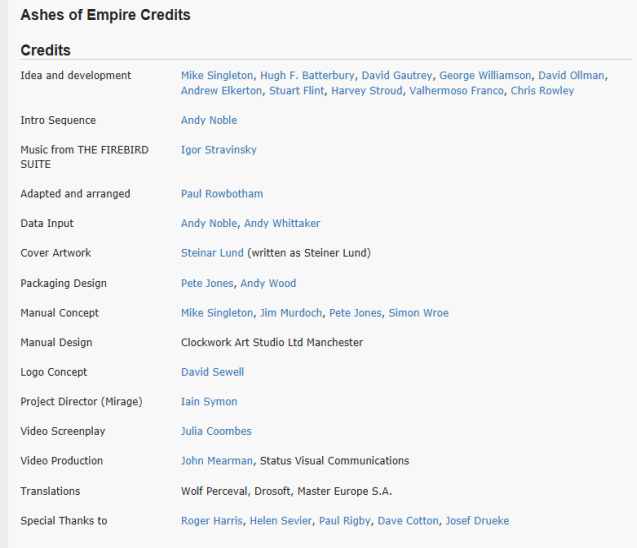
Jane learnt a great deal from Mike and later in the relationship was able to spend time in Wallasey working with Mike on Ashes Of Empire (Midwinter 3). It was a formative time for Jane in learning the aspects of 3D, AI and open world technology. Jane was very young and credited with “data input”, which in more modern parlance is now known as level design.



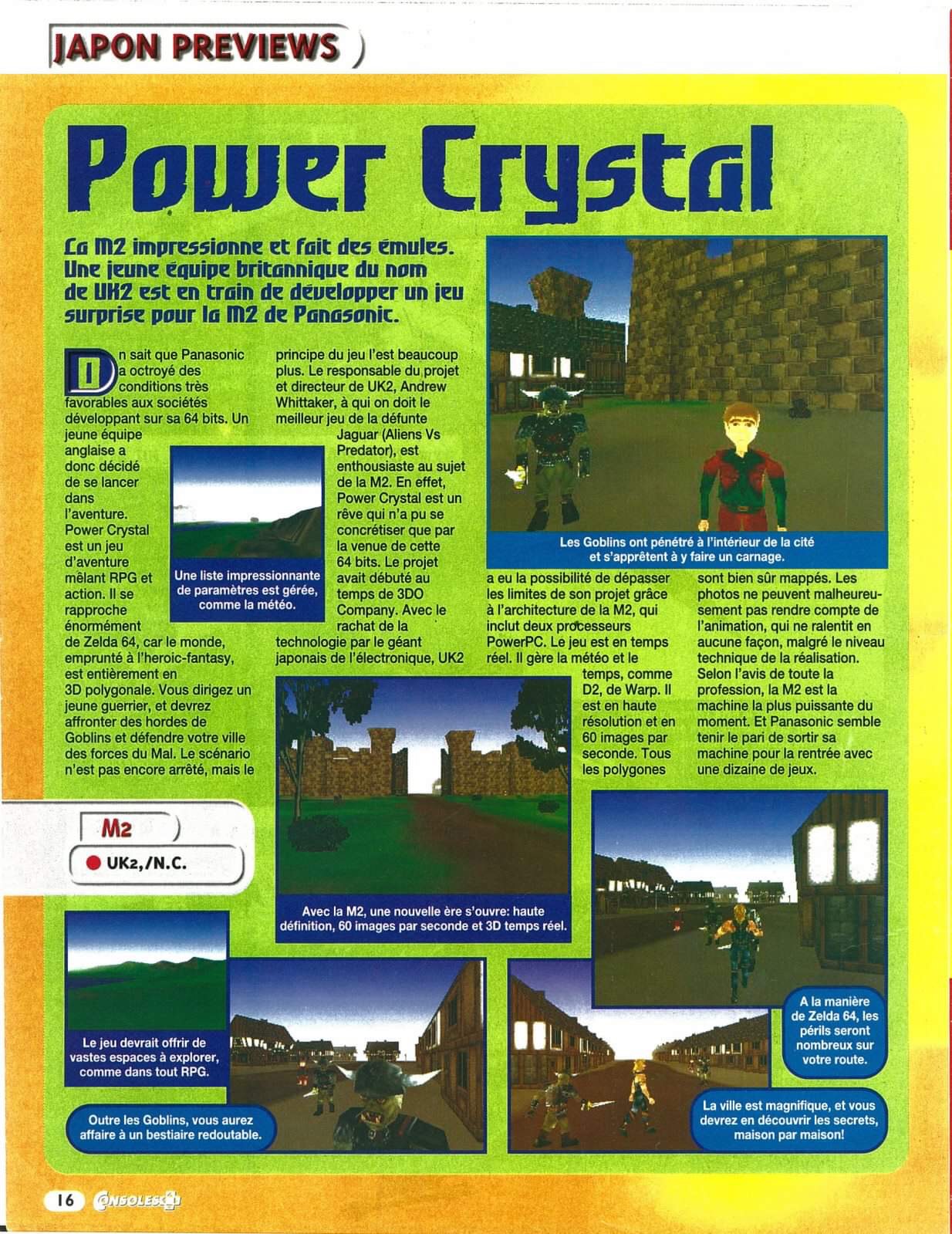
Power Crystal
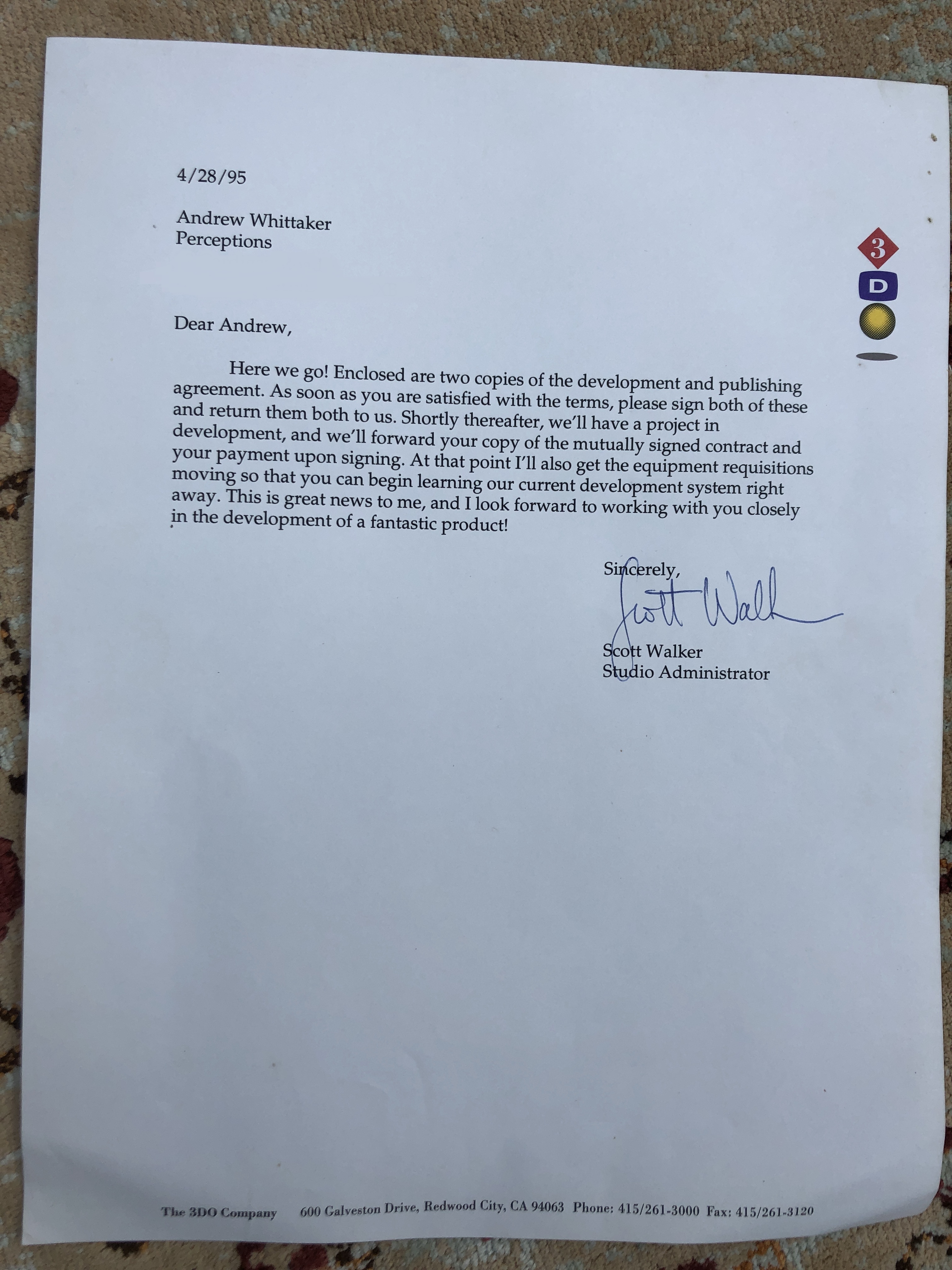
The 3DO M2 was billed as the finest console ever to hit the streets. Unfortunately, the console was cancelled at the last minute and never saw a commercial release. Headed up by Trip Hawkins, Dave Maynard and Joe Ybarra, each founders of Electronic Arts (EA Games) the original 3DO had a number of hit titles developed for it, including the genesis of the Need For Speed franchise. So, the M2 console was eagerly awaited.
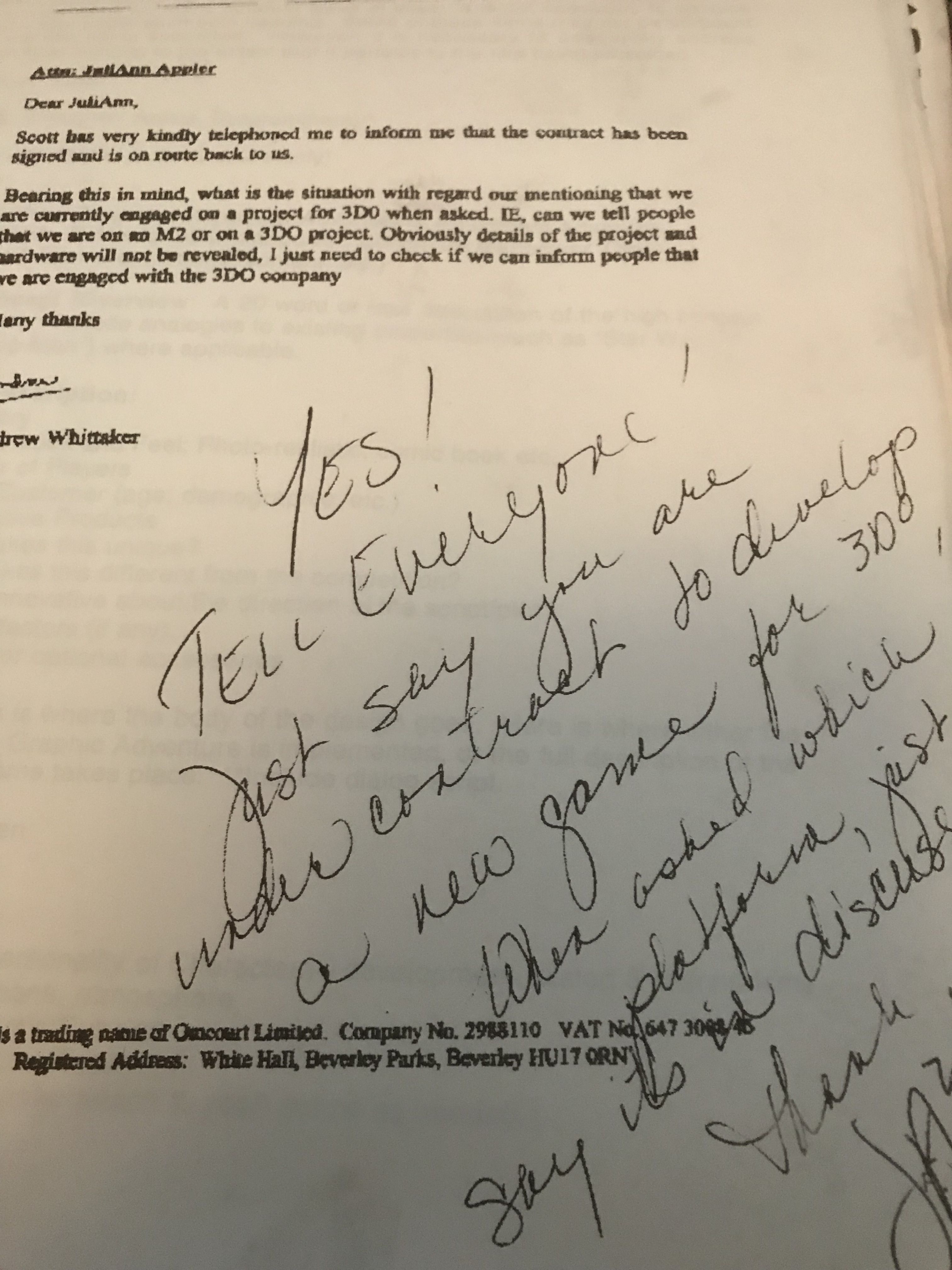
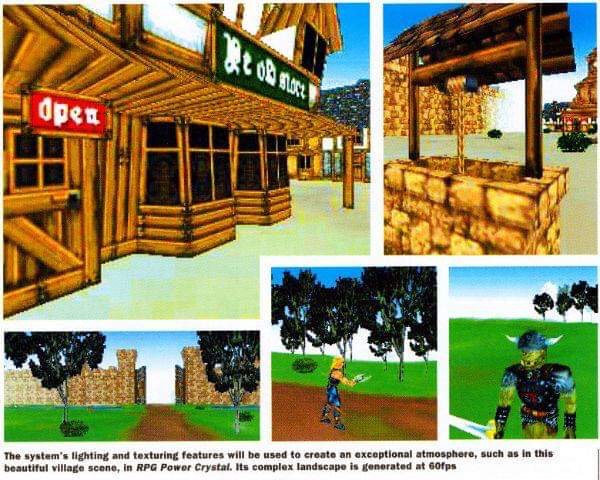
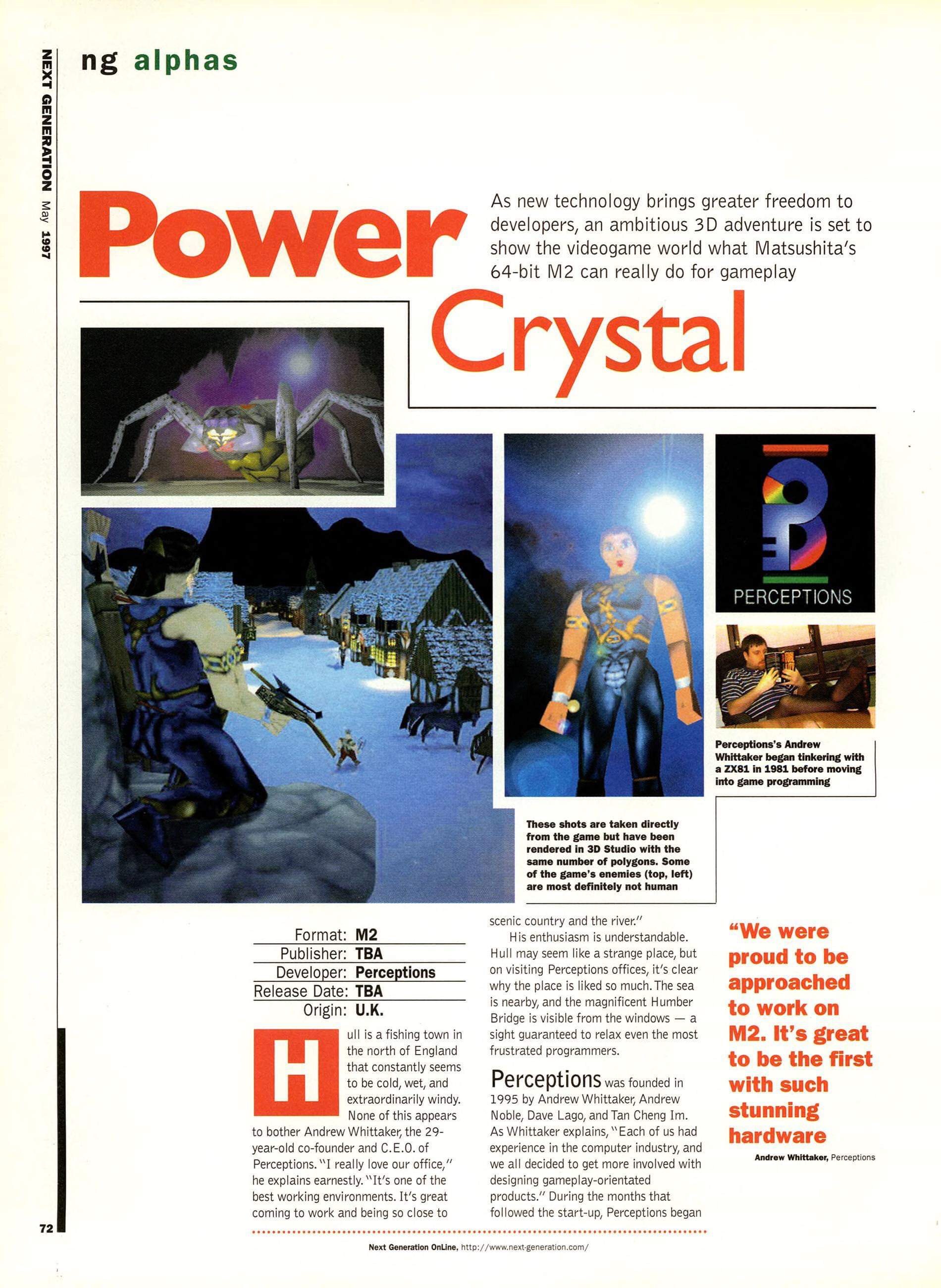
Jane was asked to develop a fully open world, 3D roleplaying game, which became a benchmark for other RPG games to follow. Power Crystal was born on the M2, with Jane and the team the only developers in Europe ever to be contracted to create one of the launch titles for the M2. The other titles were primarily in Japan, with a title being developed in the USA.
As Edge Magazine stated, Power Crystal “shone on the M2”, with an enormous explorable world, fully realised in 3D, along with hundreds of characters and quests Despite the console never being released, many magazine journalists, developers and members of the public had the opportunity to play this ground breaking game hands-on. Such is the mythos of Power Crystal it is still discussed eagerly today by fans of console gaming.
It is certainly rare for a game to be created only to find the console it is created for is cancelled just ahead of mass production. Regardless, Power Crystal set a standard in RPG that others at the time and many today could not follow!
MGM
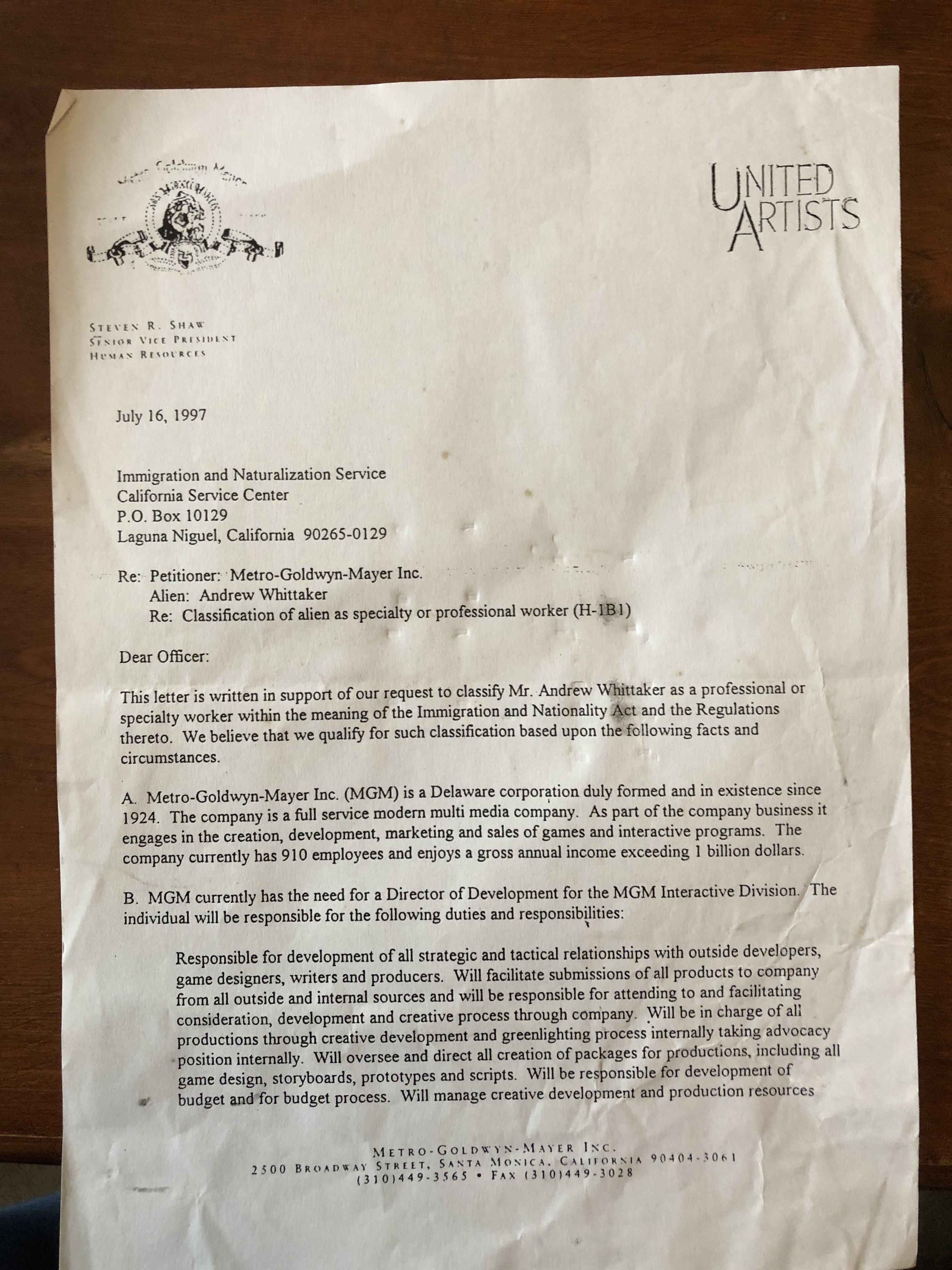
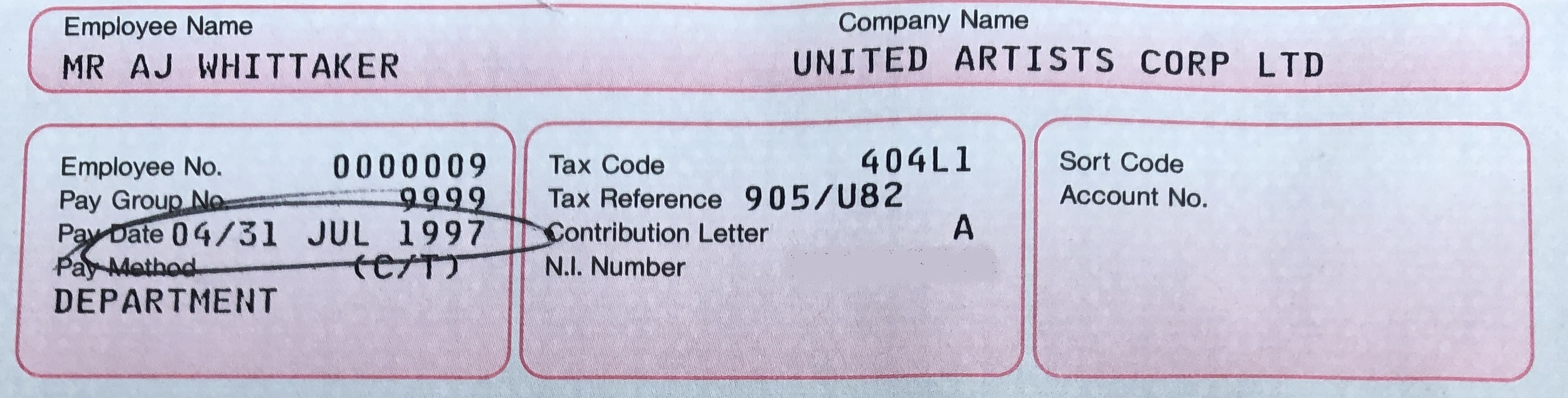
If you are looking for a dream job, then perhaps the opportunity to work in Hollywood for Metro Goldwyn Mayer might come high on anyone’s list. After the phenomenal success of Alien Vs Predator, Jane joined MGM / United Artists as Director of Development.
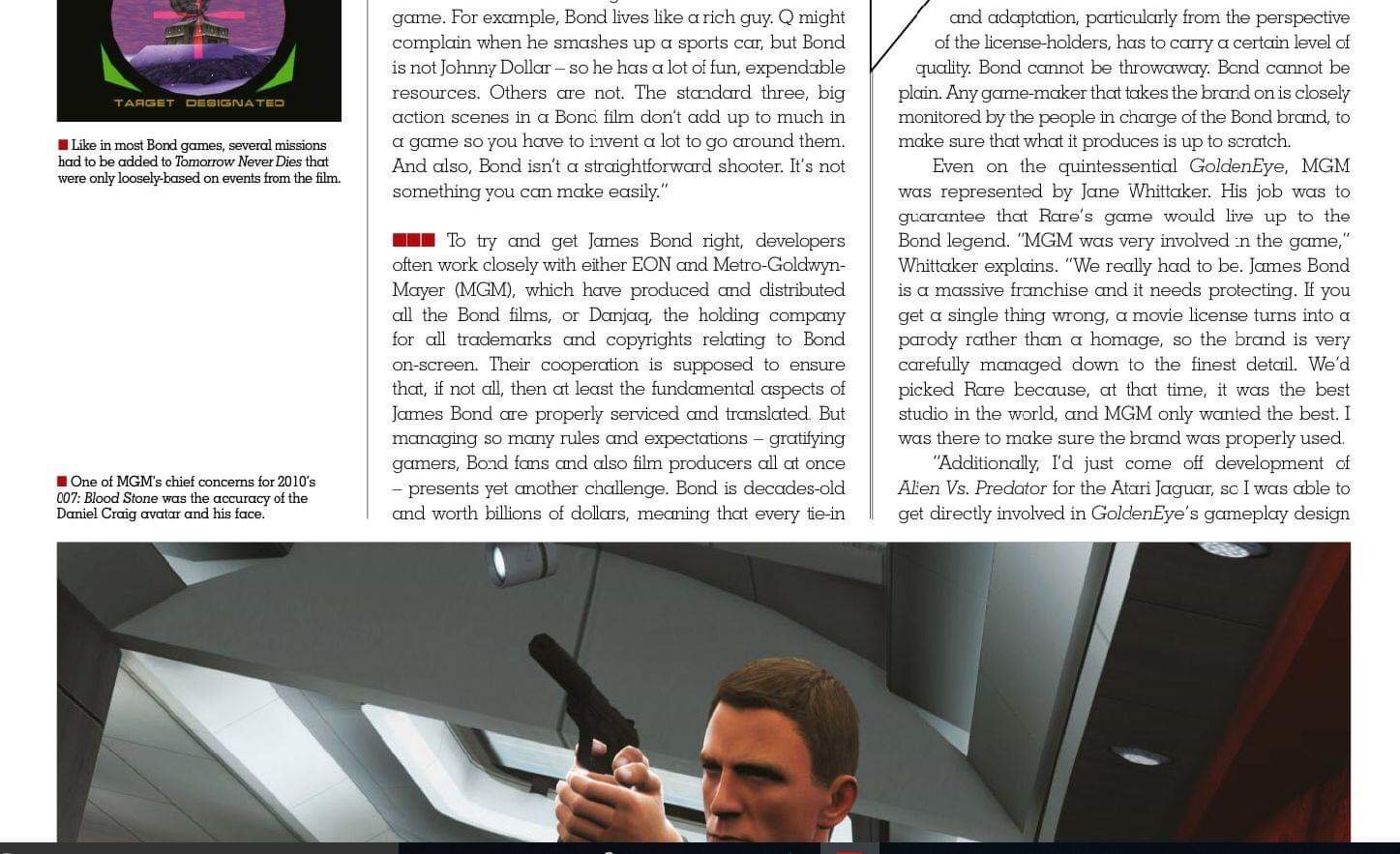
The previous work on movie licences was used to great effect, with Jane now being responsible for intellectual property as diverse as the James Bond series to Chitty Chitty Bang Bang (surprisingly, another Ian Fleming authored property!) MGM had a long and rich history, with an iconic back catalogue rich for the picking.
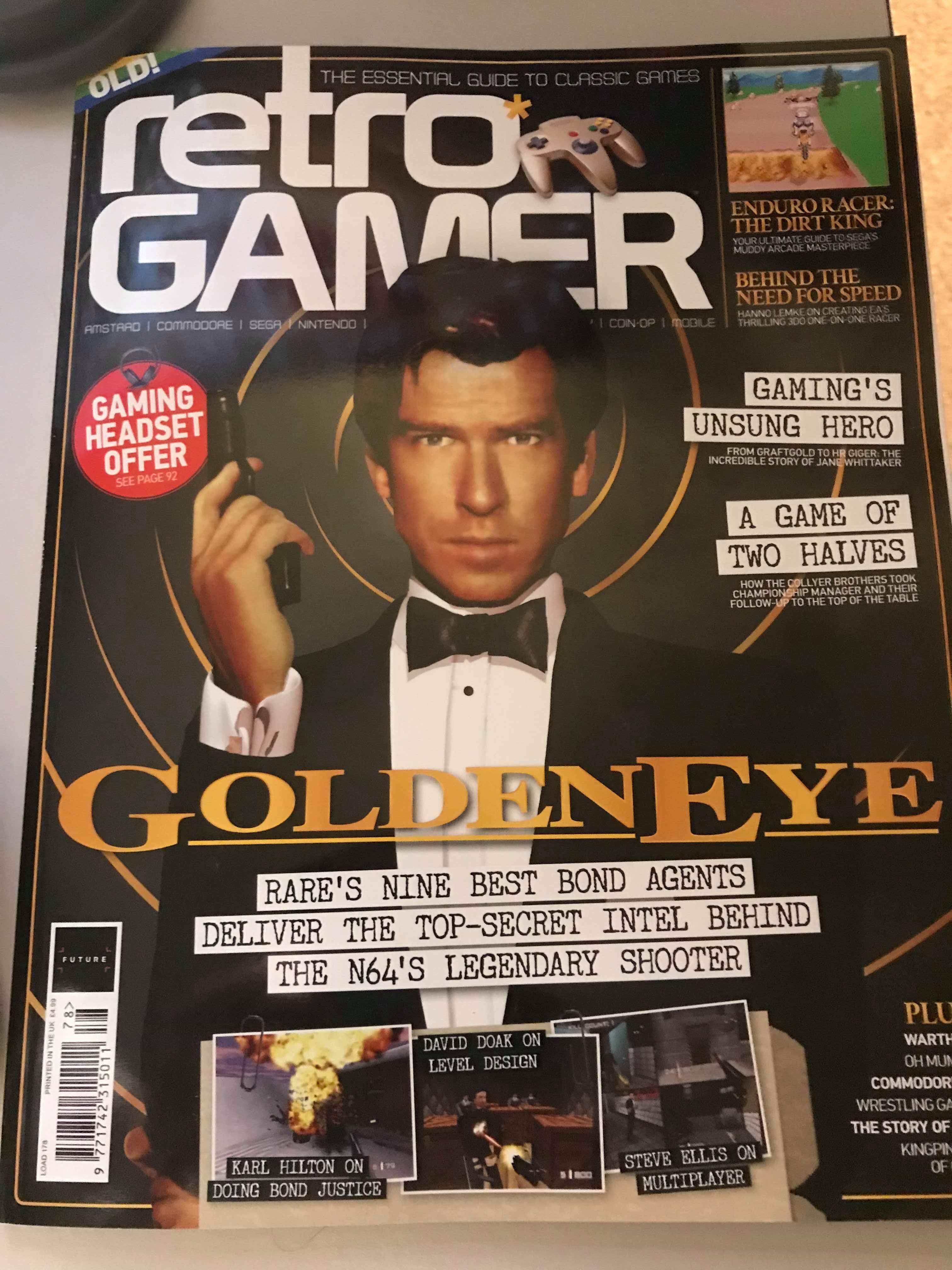
Jane’s most exciting moment during his tenure at MGM was to return to his home city in the UK to attend the star studded premiere of Tomorrow Never Dies. Pierce Brosnan and popcorn, what more could a developer ask for!
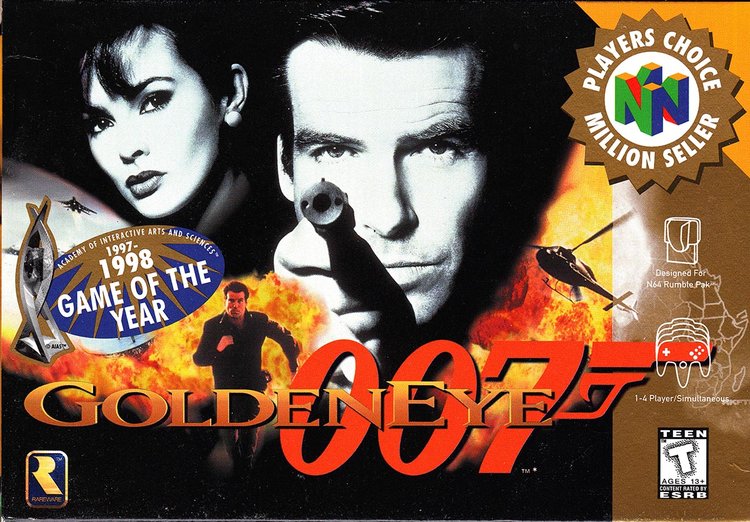
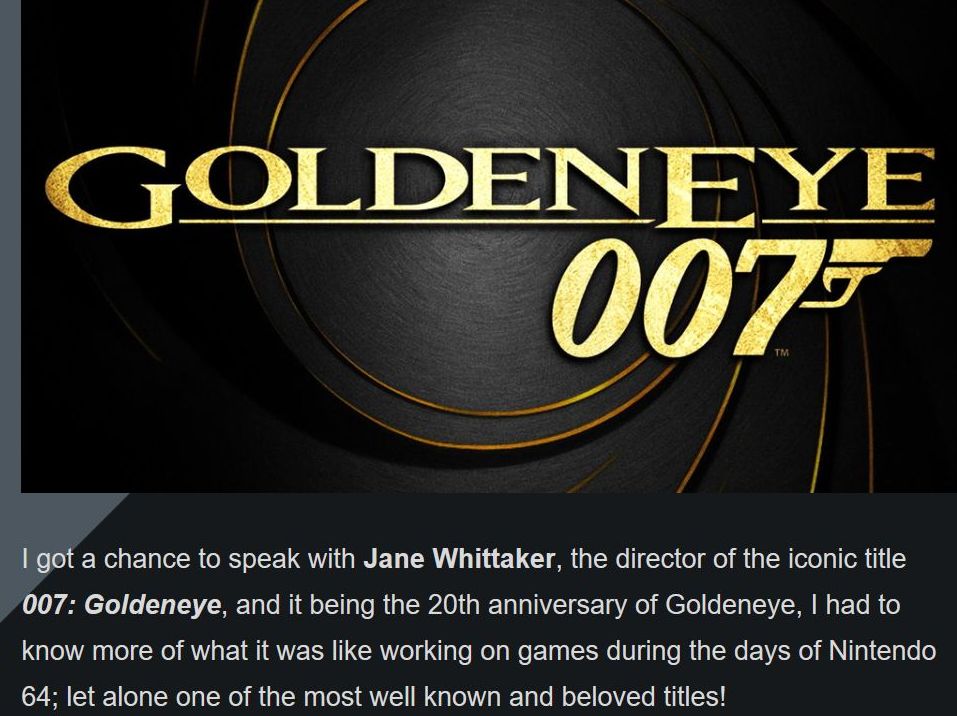
Jane was involved in Bond games across multiple platforms, to other interactive media and key projects that left Jane definitely stirred and not shaken!

Microsoft
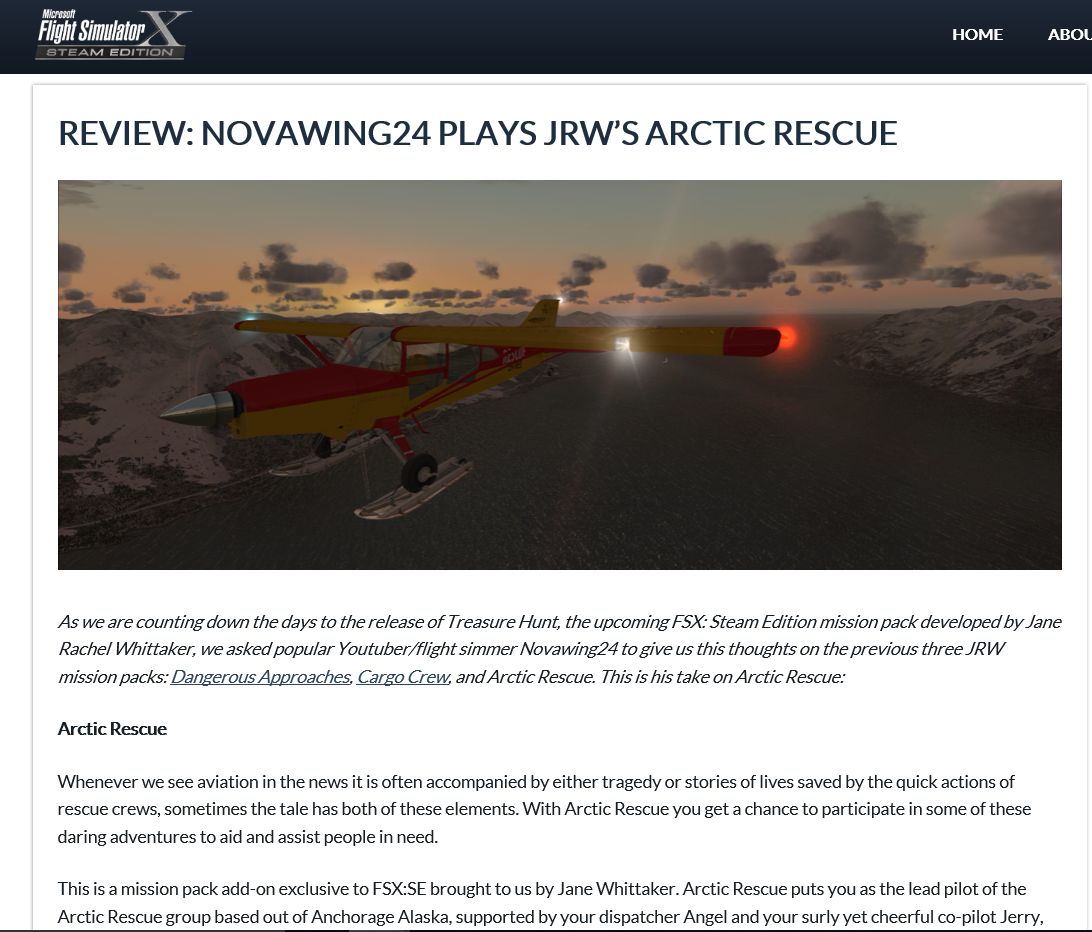
Jane spent many years working with Microsoft Flight Simulator, running simultaneously with other projects. Jane has the accolade of developing the first ever new official content to be released for the Microsoft Flight Simulator X Steam Edition, with the release of Dangerous Approaches.
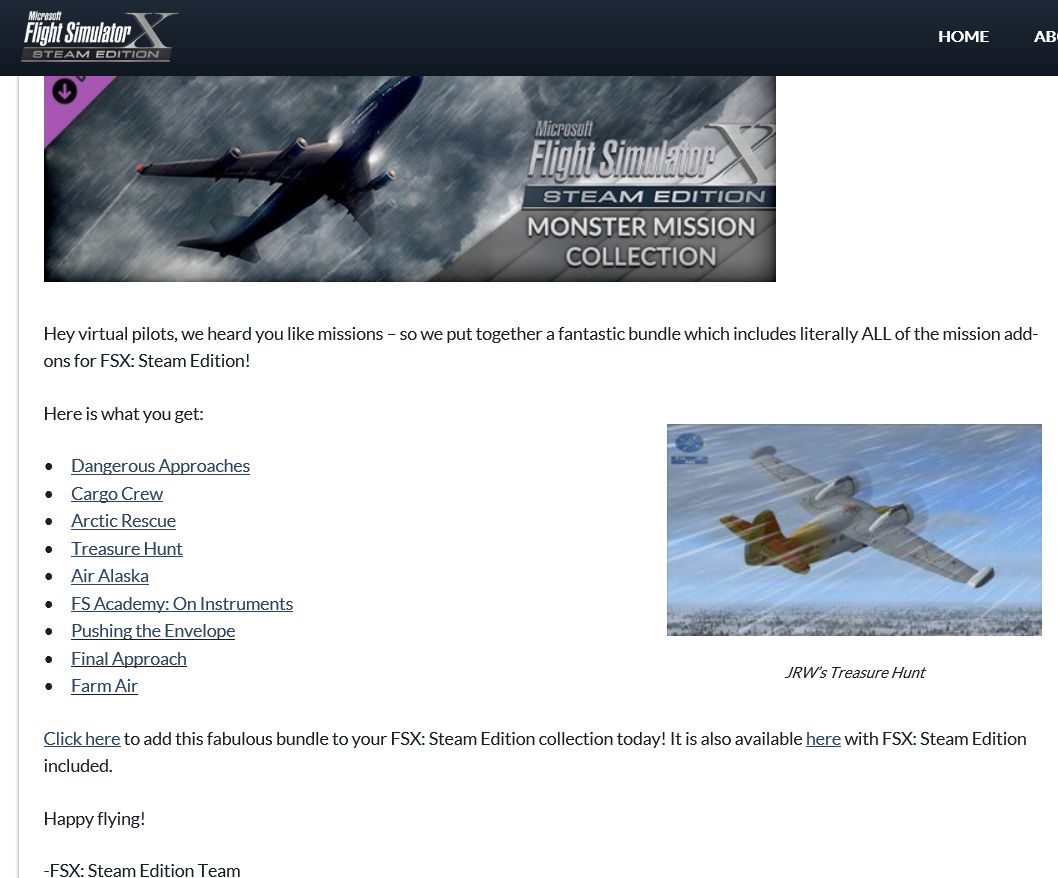
The accolades continued with the official release of the Microsoft Flight Simulator X Mega Missions edition, a special version of Flight Simulator, with Jane’s work being the primary new content. Jane’s work has also taken a lead in versions such as Microsoft Flight Simulator X Monster Missions.
In addition to being contracted for official Flight Simulator X releases, Jane also created expansion packs for First Class Simulations, the box distributor of Flight Simulator X, with over 20 well reviewed titles including Around The World in 80 Flights, Pole to Pole, the immensely popular “Discover” series with Discover GB, Discover USA etc. etc.
Jane also spent more than a decade as deputy editor of PC Pilot Magazine, the world’s most popular simulation magazine, available in stores and airports around the world.
In all, Jane has developed over 30 Flight Simulator titles and has worked closely with the Flight Simulator development team for many years.
Jane’s most treasured moment in such a long history of simulation was the opportunity to fly a complex F-16 fighter simulator, engaging in combat with one of the most iconic fighter pilots of recent history. Jane flew around the skies with Colonel Doug Champagne, the most experienced USAF F-16 pilot, who flew missions in both Gulf Wars, along with being the lead response pilot for 9/11 with the F-16 squadron under his command, tasked to intercept Flight 93 on that fateful day. Jane and Colonel Champagne fought each other (Colonel Champagne won!) before putting on a live streamed air display of the capabilities of the F-16.





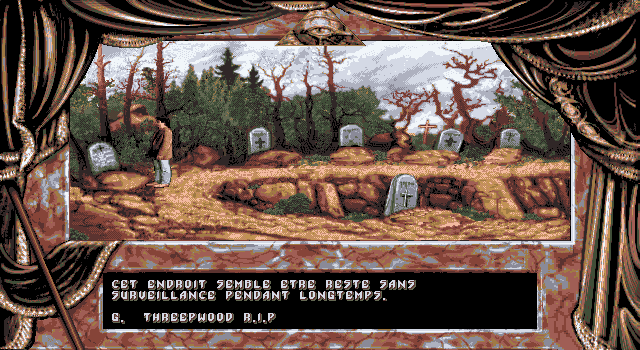
Dark Seed
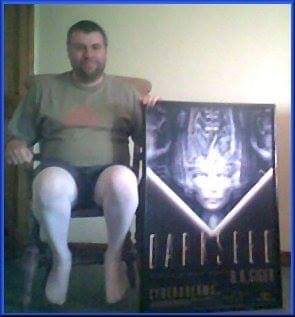
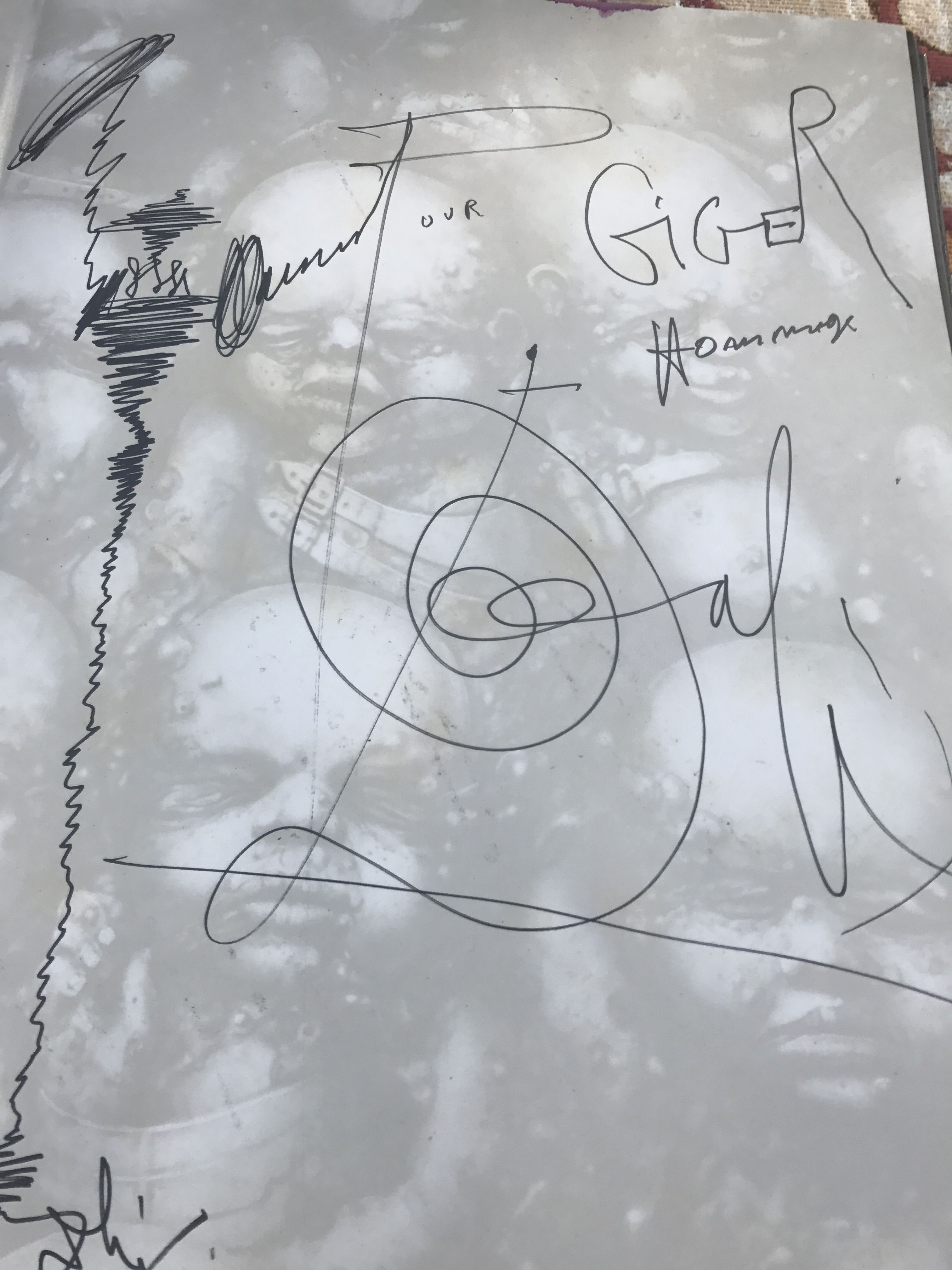
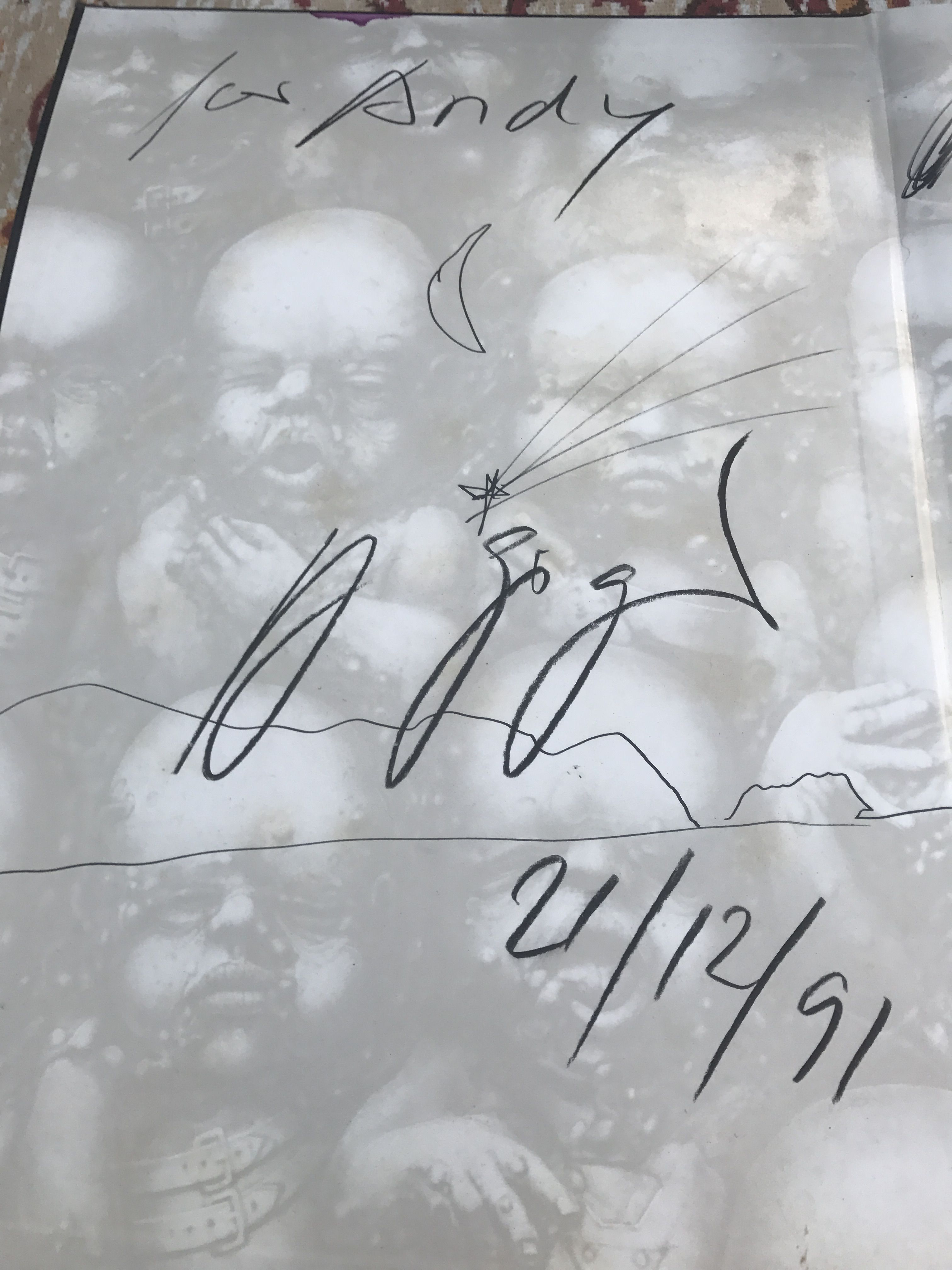
There are not many people who have had the opportunity to interact with the works of HR Giger twice in their career! Giger shot to fame, not only as a surrealist artist, but as the designer of the “Alien” in the alien movies and the strangely disturbing sets of the iconic franchise. Giger also worked on the design of the equally iconic Poltergeist movie series.
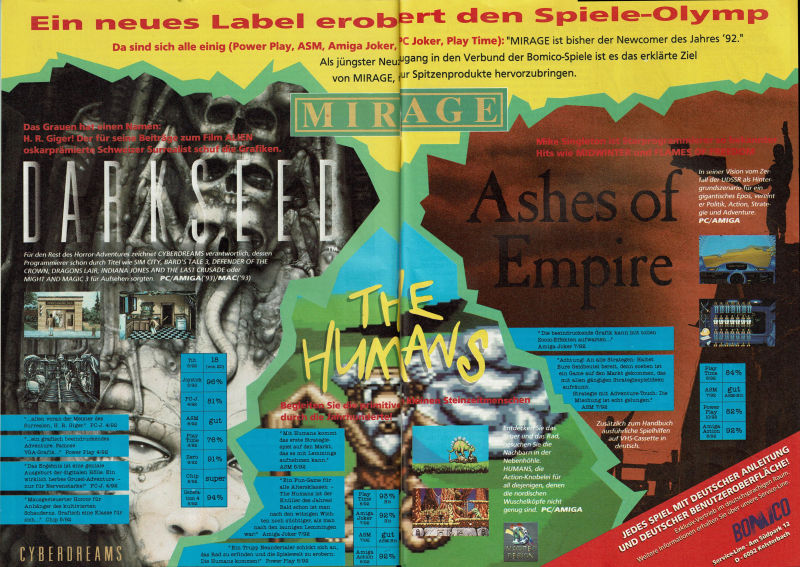
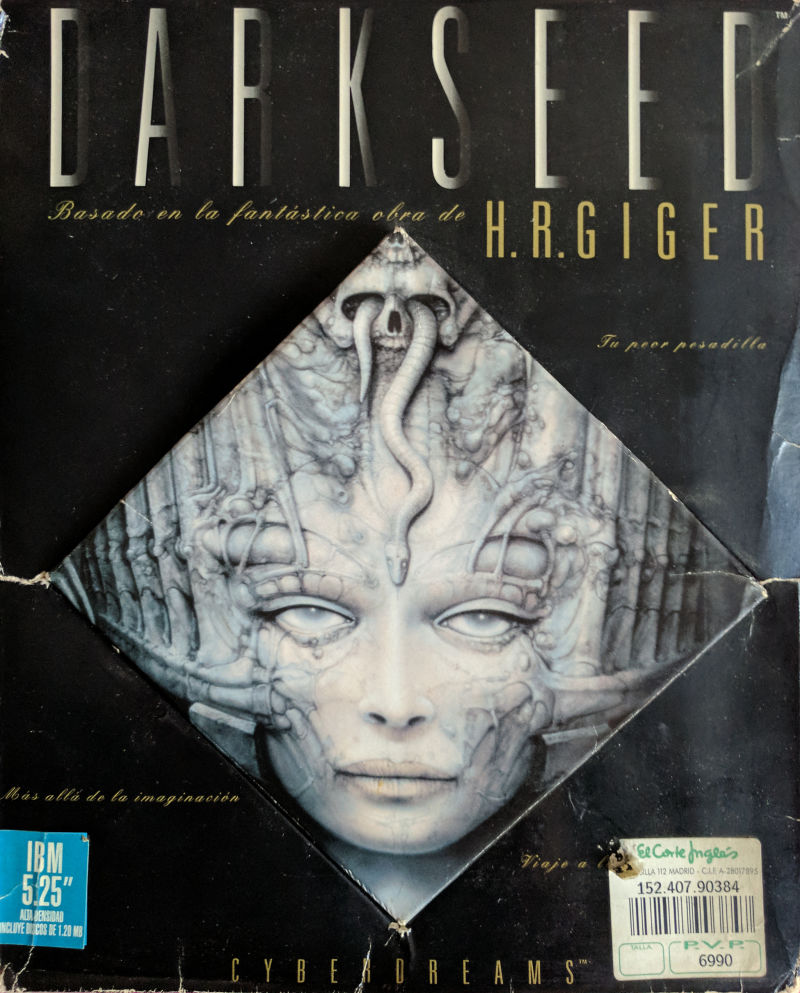
In addition to Jane working on Alien Vs Predator with Atari and 20th Century Fox, Jane also had the opportunity to work on the hit game Darkseed, bringing Giger’s dark surrealism to life. Working on the Commodore Amiga version of the game, Jane travelled not to some far flung alien planet, but to Detroit where the Amiga version of the game was being developed!
The game was certainly surreal, supplemented by Jane’s choice of David Bowie as supporting music to the development. As something of a good luck charm, Jane picks a particular musician to listen to during development of each title. Bowie, with Space Oddity seemed a perfect fit for the aliens of Darkseed. (They Might Be Giants was the chosen artist for the development of Alien Vs Predator, but that is another story!)
Darkseed went on to become a massive success and still enjoys a cult following today!
Keystone Games
Jane was very proud to be approached to be one of the founding directors of Keystone Games Ltd, by Kevin Mathieson, UK head of the Over The Wall charity and retired Chief Constable of Police. Keystone was founded with a single aim, to support disabled and seriously ill children, using revenues from video game sales. Keystone donates a large portion of its profits to the Over The Wall Childrens charity which provides free holidays for seriously ill children at special camps around the UK. In the USA the charity is also known by the name SeriousFun.
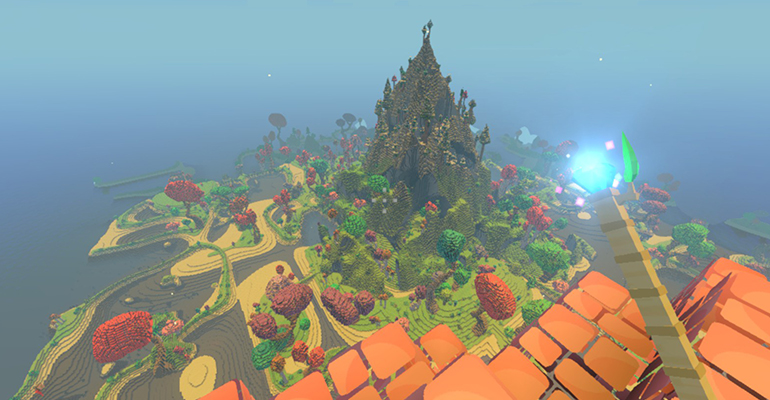
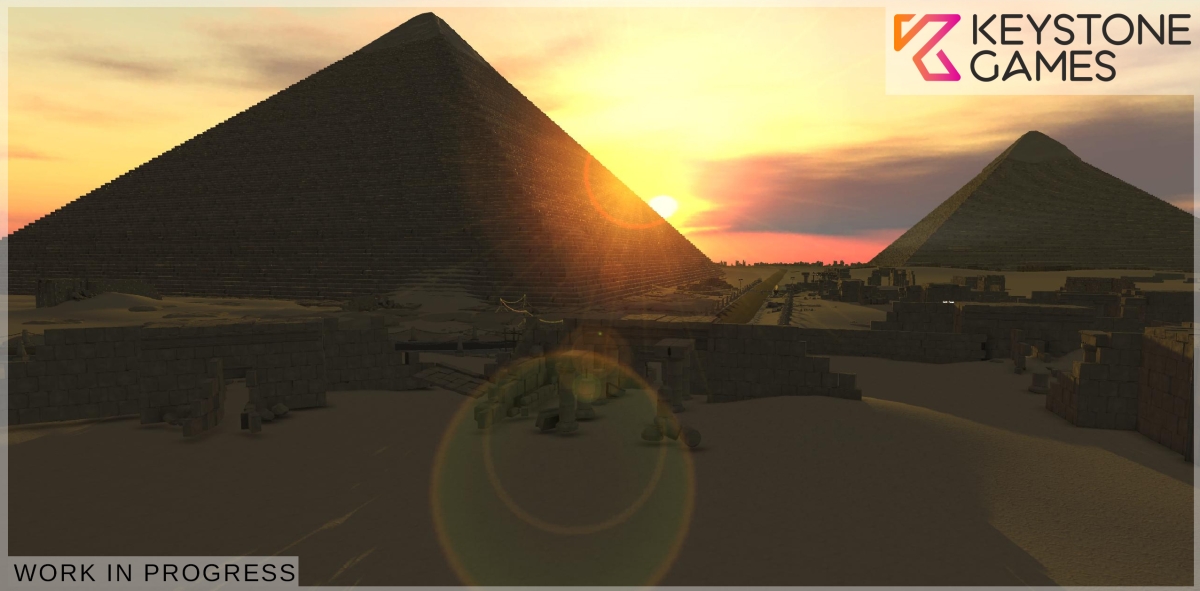
Jane holds the voluntary position as CTO of Keystone Games, with an illustrious group of directors holding key positions within the company. Jane has been involved in a number of projects for Keystone, including Rogue Islands and Homicide Detective.
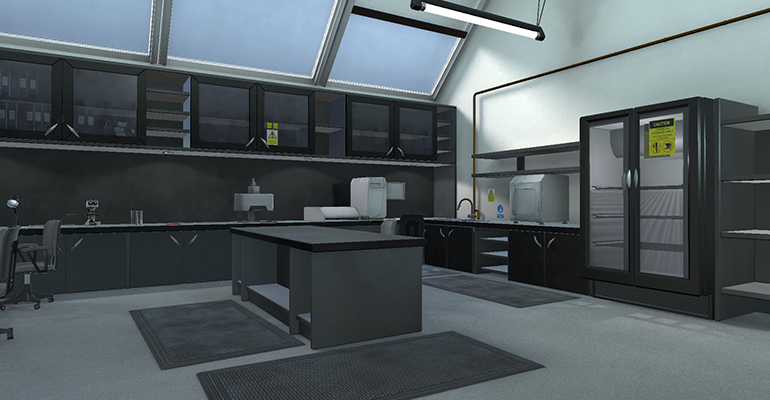
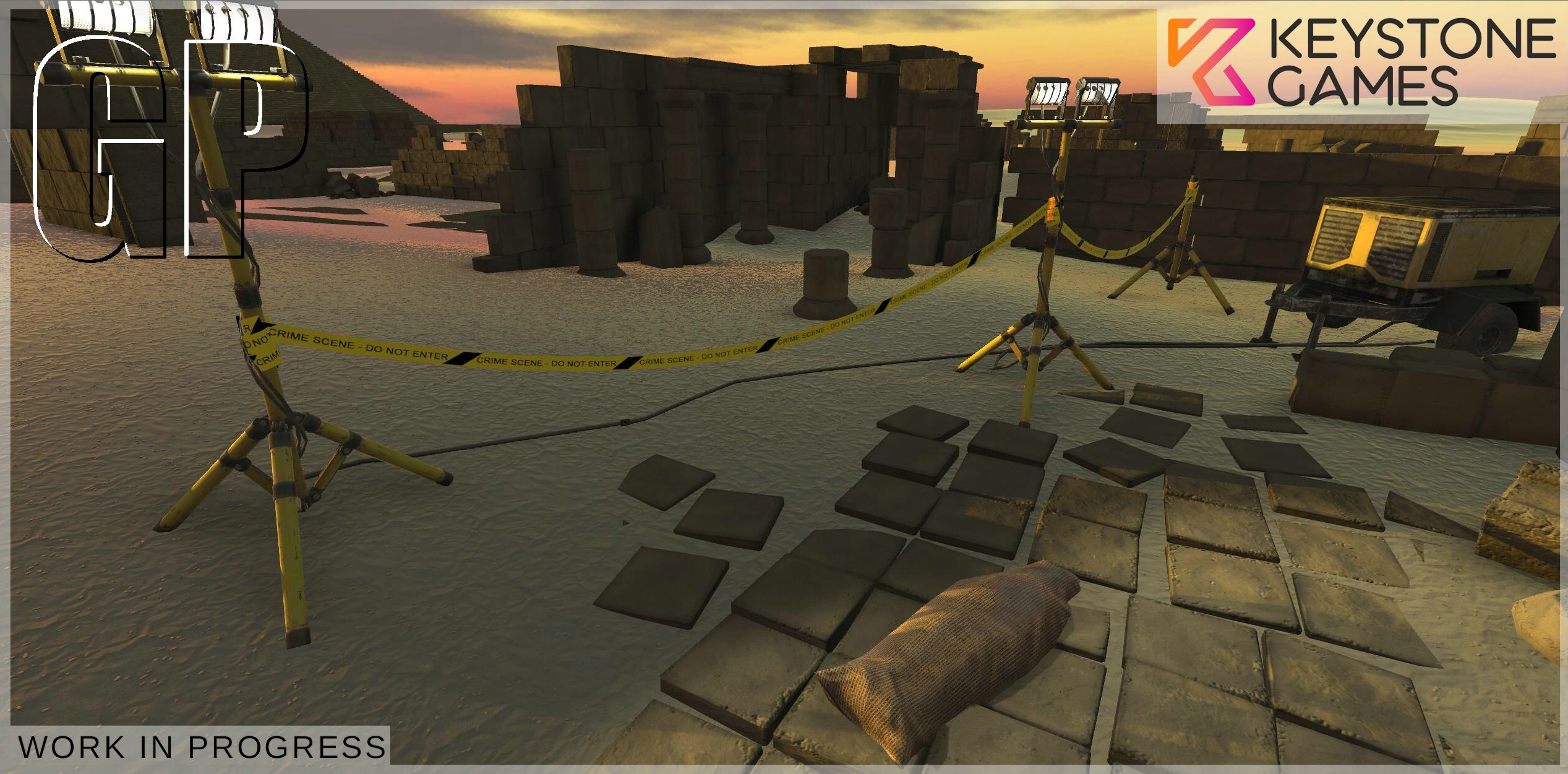
Homicide Detective, which is still in development, has proved to be one of the most unusual projects that Jane has ever worked on. The crimes and solutions to these puzzling crimes having been provided thanks to direct access to actual murder squad detectives!
Additionally, Homicide Detective has featured the voice talents of a host of stars including Sir Kenneth Branagh, Warwick Davis and Katie Leung (Harry Potter’s Cho Chang) utilising dialogue written by Jane!